Madrid in three days, built around where you sleep
Most itineraries are a list of museums arranged by opening hours, which is how people end up crossing the city four times a day. Three districts, three days, and the sightseeing fitted around the eating.

The Almudena, and the old centre behind it.Photograph Quique Olivar · Unsplash
Most Madrid itineraries are a list of museums arranged by opening hours, which is how people end up crossing the city four times a day and eating badly. Madrid rewards the opposite approach. It is small, it is dense, and each district is a coherent day on its own.
So this is organised by neighbourhood rather than by attraction, on the assumption that you would rather walk out of your hotel and into the day than start every morning on the metro. Three days, three districts, and the museums fitted around them.
One structural note before the days: Madrid eats late. Lunch is two to four, dinner is nine to eleven, and almost nothing good happens between five and eight except a drink. Plan the sightseeing into the early afternoon dead zone and you will have the monuments largely to yourself.
Day one: the Prado, the Retiro and the old centre

Morning. Start in the Retiro at nine, when it belongs to dog walkers and rowers. Walk to the Crystal Palace, which takes twenty minutes and is free, and come out at the Puerta de Alcala.
Late morning. The Prado, which needs three hours and no more. Go straight to Velazquez and Goya and accept that you are not seeing the rest. The building holds an overwhelming collection and the standard mistake is trying to be thorough.
Lunch. Two o'clock, properly, at a table. This is the main meal in Spain and treating it as a sandwich is the single biggest error visitors make.
Afternoon. Walk west into the old centre: Plaza Mayor, the Mercado de San Miguel for a look rather than a meal, and the streets around Calle Cava Baja.
Evening. Stay in La Latina and eat late.
Day two: La Latina, Lavapies and the Reina Sofia

Morning. The Reina Sofia opens at ten and holds Guernica. Two hours is plenty. If it is a Sunday, go to the Rastro flea market first and the museum after, because the Rastro finishes by three.
Lunch. Lavapies, which is the most genuinely multicultural quarter in the city and where the eating is least aimed at visitors.
Afternoon. Walk up through La Latina. Cava Baja is the famous street and it is good, but the streets either side are better and cheaper. San Francisco el Grande has a dome most people never bother with.
Evening. A rooftop for the sunset, then dinner at ten. Madrid's rooftop culture is genuinely excellent and the Circulo de Bellas Artes terrace is the one to do first.
Day three: Salamanca, Chamberi and the parts people miss
Morning. The Thyssen-Bornemisza, which completes the Golden Triangle and is the most enjoyable of the three museums precisely because it is not exhausting.
Late morning. Walk north into Salamanca: Serrano for the shopping, Jorge Juan for the lunch. This is the Madrid that has money and it is worth an hour simply as a contrast to La Latina.
Afternoon. Chamberi. The Mercado de Vallehermoso, the old Andén 0 ghost station if it is open, and streets where nobody is selling anything to visitors. This is where you would live.
Evening. Dinner in Chamberi, and it will be the best meal of the trip.
Three days in Madrid is enough for the city and not enough for the museums. Choose the city.
Where to sleep, by which day you care about most
The itinerary above works from anywhere central, but the district you sleep in decides how much walking you do and how good your evenings are.
- The old centre, if it is your first visit and you want to walk out into it. The Madrid EDITION is three minutes from Sol and the best-placed hotel in the city for this.
- Between the centre and the Prado, for museums plus sleep. Four Seasons on the Canalejas block, or the Mandarin Oriental Ritz facing the Prado.
- Salamanca, for shopping and quiet. Rosewood Villa Magna.
- Chamberi, for a longer stay and better dinners. URSO, which is also the best value of the five.
The full comparison of Madrid's spa hotels is here.
Practicalities
- The Golden Triangle is the Prado, Reina Sofia and Thyssen. All three offer free entry in the last two hours, which is also when they are least pleasant. Pay.
- Book the Prado online. The queue is the only genuinely unpleasant thing about it.
- Sundays: the Rastro until three, and many kitchens closed on Sunday evening and Monday.
- August: the city is at thirty six degrees and a good proportion of the best restaurants shut. Go in May, June, September or October.
- The metro is excellent, cheap and rarely necessary if you sleep centrally.
Read next
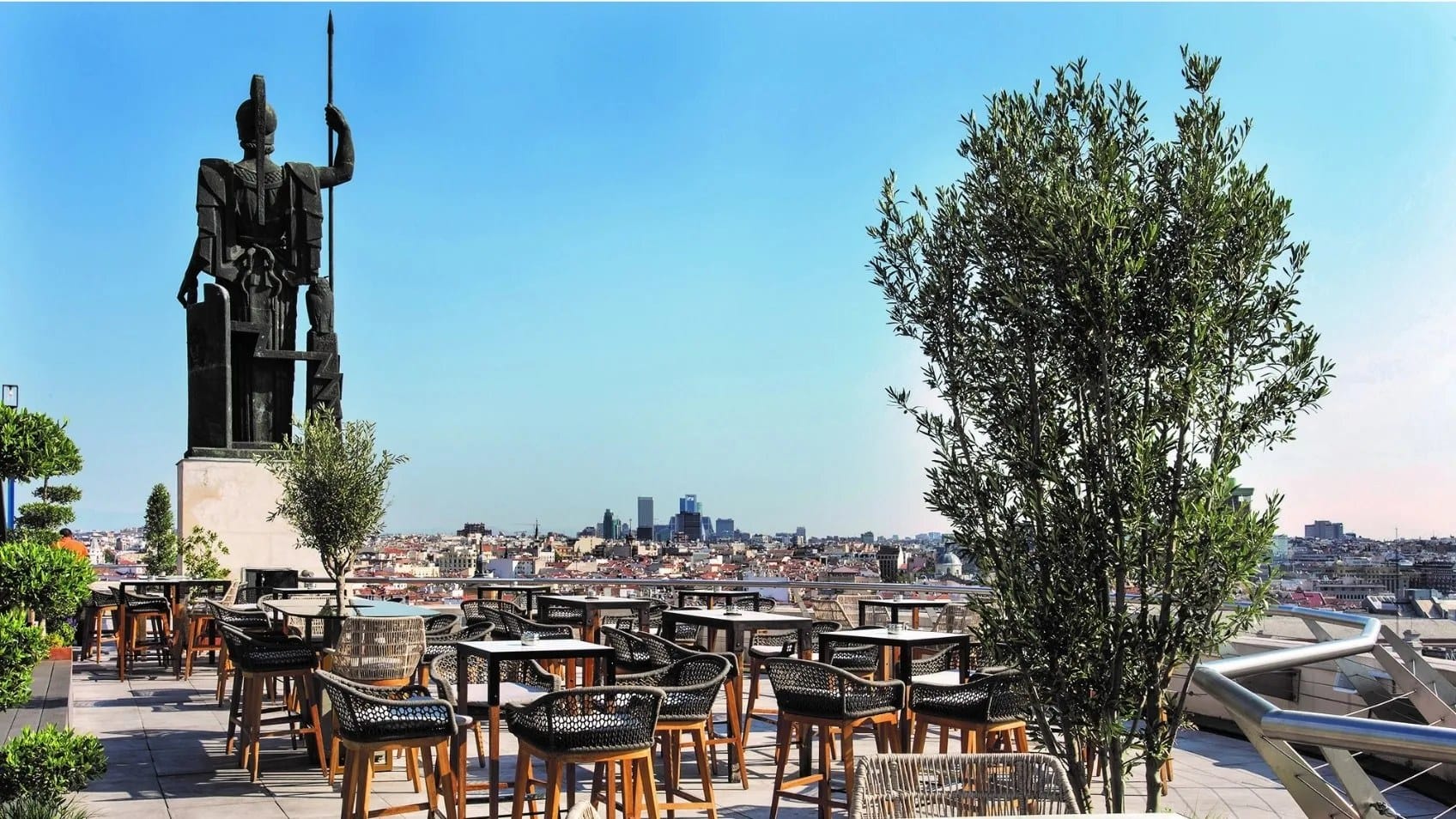
The best rooftop bars in Madrid, and the hour to arrive
Madrid is broad, flat and low, which makes it the right shape for this. Eight rooftops compared on the view, the crowd and the bill, plus the two booking traps that catch people out.
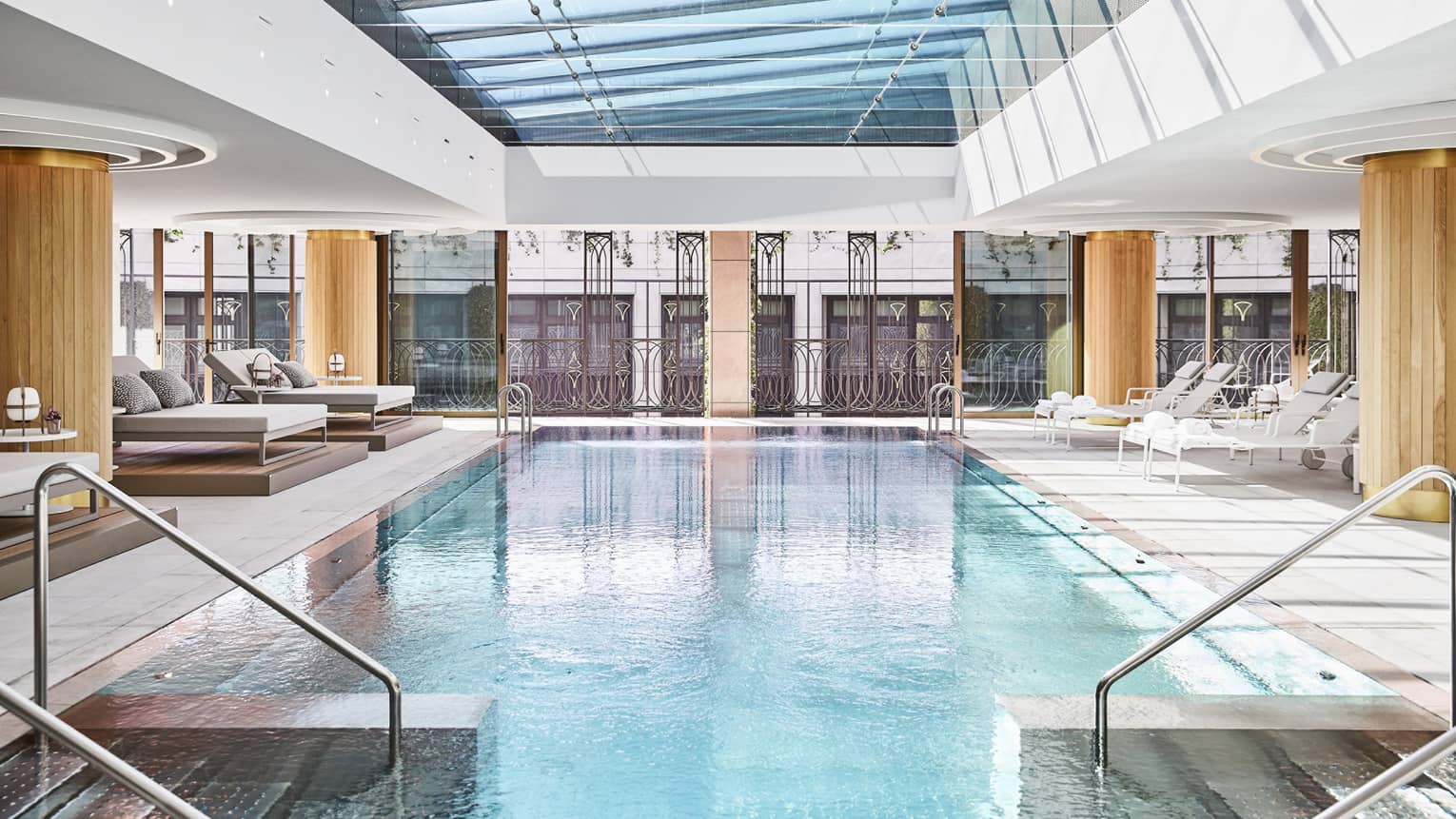
Four Seasons Madrid: seven buildings, one hotel, and a pool above the rooftops
The largest urban spa in the city, fourteen metres of water under a skylight on the eighth floor, and service that people who stay in a great many hotels single out. The best all-round address in Madrid.
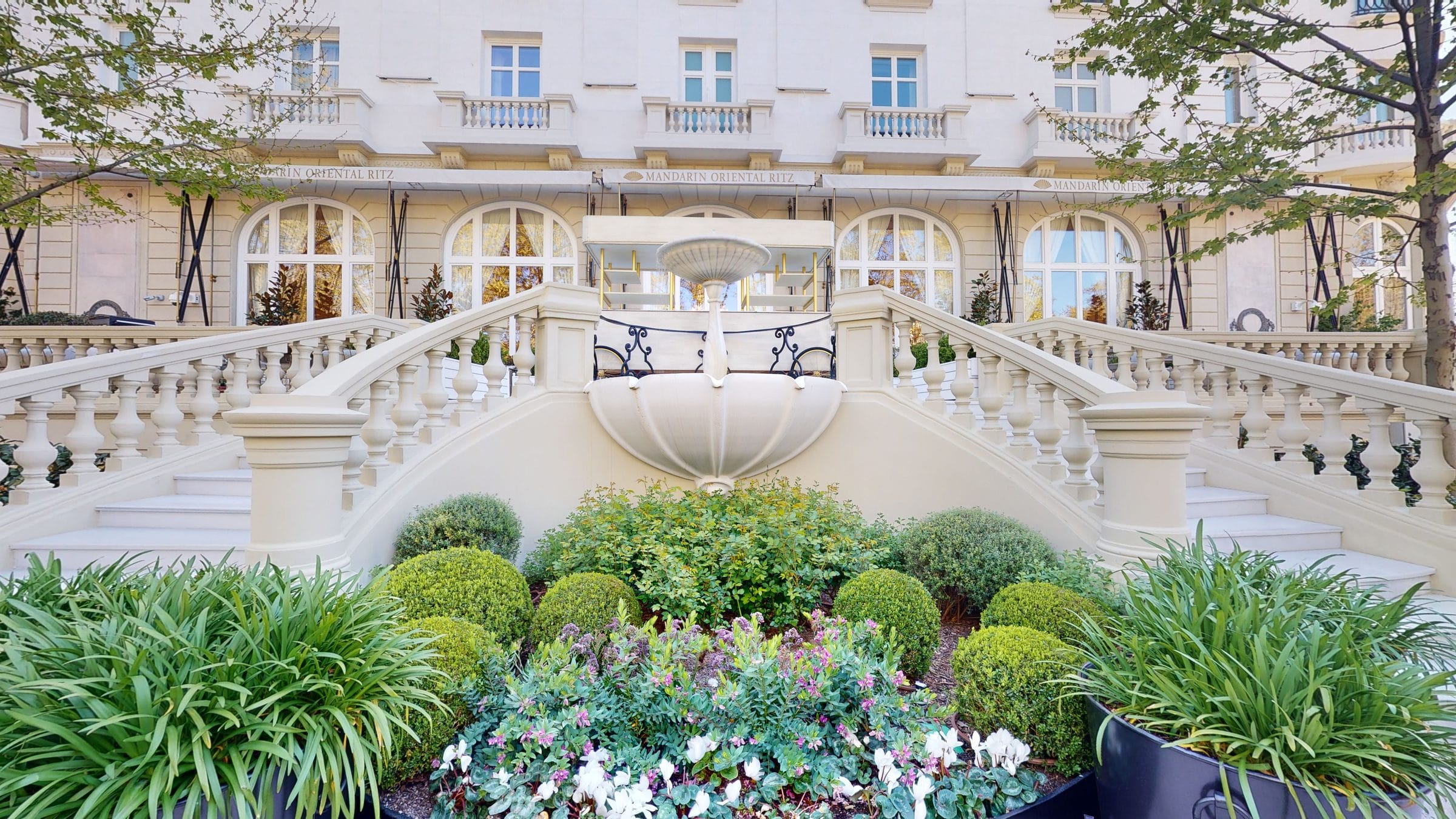
Mandarin Oriental Ritz, Madrid: the grande dame, restored to within an inch of her life
Two years shut, a restoration nobody wanted to put a ceiling on, and a marble spa dug out underneath. The finest ground floor in Madrid, and a room rate that expects you to use it.