Four Seasons Madrid: seven buildings, one hotel, and a pool above the rooftops
The largest urban spa in the city, fourteen metres of water under a skylight on the eighth floor, and service that people who stay in a great many hotels single out. The best all-round address in Madrid.
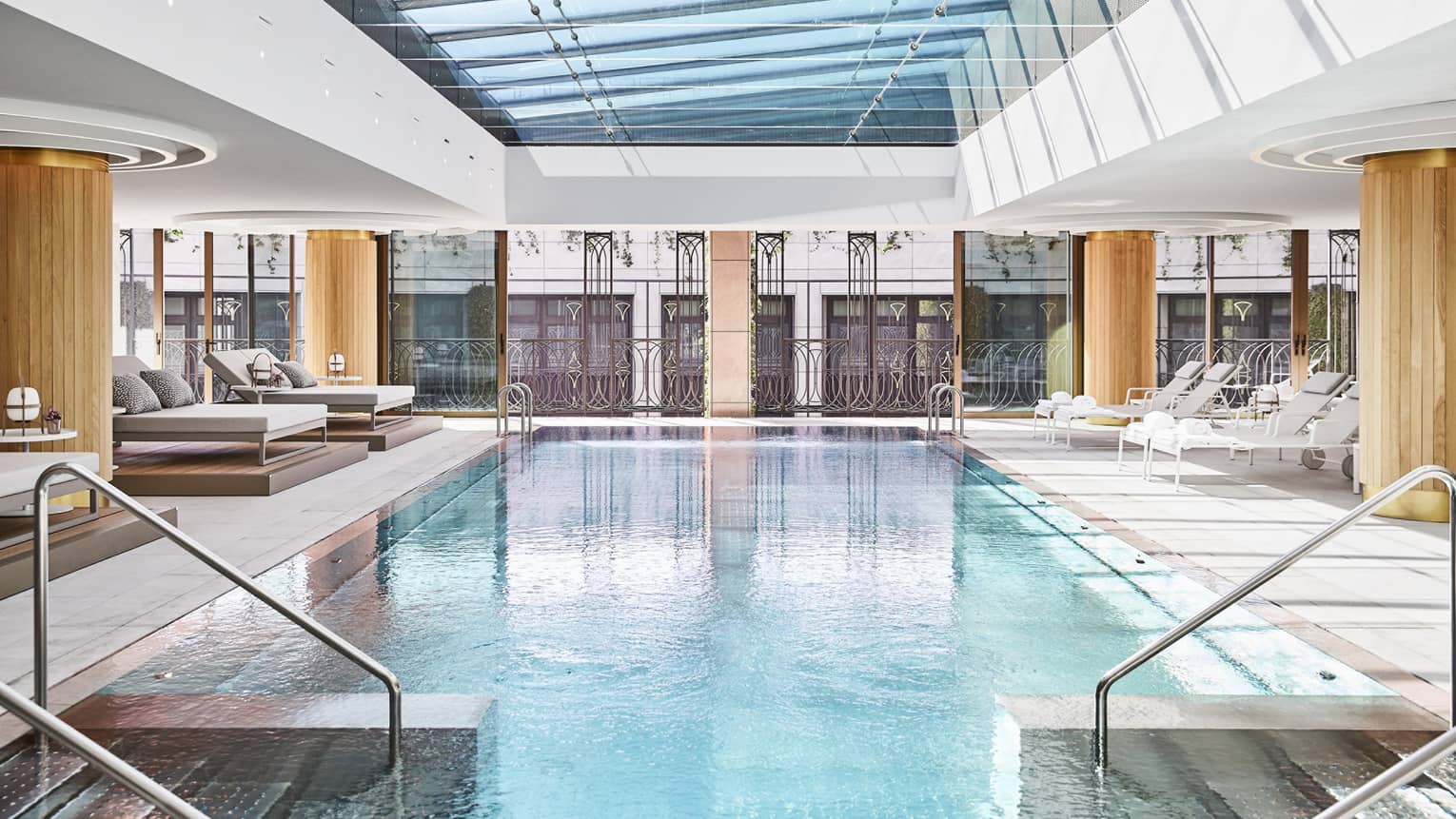
Fourteen metres under the skylight, on the top floor.Photograph courtesy of Four Seasons Hotel Madrid
Seven historic buildings on the Canalejas block, most of them former banks, knocked through into a single hotel behind their own preserved facades. It took the best part of a decade and a good deal of argument, and it is the largest heritage project Madrid has undertaken in modern times. From the street you cannot tell it is one building. From the inside you cannot tell it was ever seven.
It opened in 2020, which was the least fortunate year in the history of hotel openings, and has spent the time since quietly becoming the most complete luxury hotel in the city.
The building
Worth understanding, because it explains everything else. The Canalejas block sits between Puerta del Sol and the Paseo del Prado, and by the 2000s it was a run of magnificent, empty bank headquarters that nobody could work out how to use. The solution kept every protected facade, including the domed corner building with the clock, and rebuilt behind them.
The consequence is a hotel with no two floors quite alike. Corridors change level, some rooms are reached by a walk, and the geometry occasionally surprises you. It is the opposite of a tower, and it is a large part of the charm.
The spa
The headline, and it earns the billing. Fourteen hundred and fifty square metres across four floors, eight treatment rooms, a couple's suite and a twenty four hour gym, which makes it comfortably the largest urban spa in Madrid. Crucially it does not feel like a basement, which is the usual fate of a city spa.
The pool is on the eighth floor: fourteen metres, under a skylight, with a sun terrace beside it looking north over the rooftops towards the hills. Swimming at roof height in the middle of a European capital is a rare thing at any price. In July, when Madrid sits at thirty six degrees and the streets are effectively unusable between two and six in the afternoon, it stops being a luxury and becomes the reason the trip works at all.
The rooms
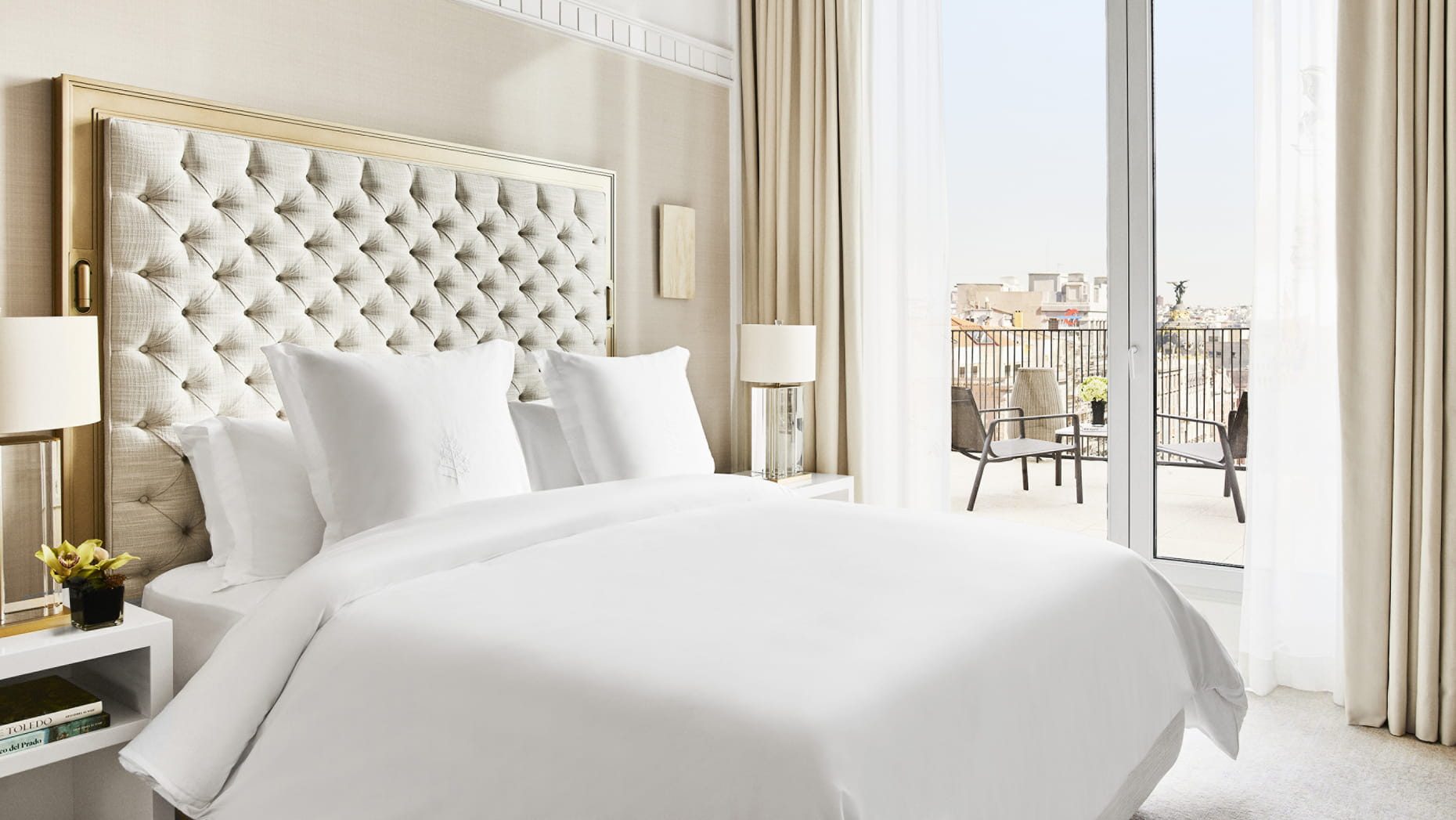
Larger than the Ritz and better laid out, with a calm, warm palette that has aged well and none of the hard-surfaced coldness that new luxury hotels often mistake for restraint. Bathrooms are excellent throughout, and even the entry categories have proper wardrobe space, which sounds dull and matters enormously on a five-night stay.
One side of the block faces the busier streets towards Sol and one faces the quieter Canalejas side. It is worth a sentence at booking to confirm which you are on and which floor, since the building's shape means the difference is more pronounced than a floorplan suggests.
Service
The thing people who stay in a great many Four Seasons keep singling out about this one. It is not the choreographed sort. Nobody is stationed at the lift, and nothing is performed at you. Things simply happen a beat before you have asked for them, and on the occasions when something goes wrong it is dealt with without a manager arriving to explain the process.
Service is judged on the bad day rather than the good one, and this one does not require asking twice.
Food
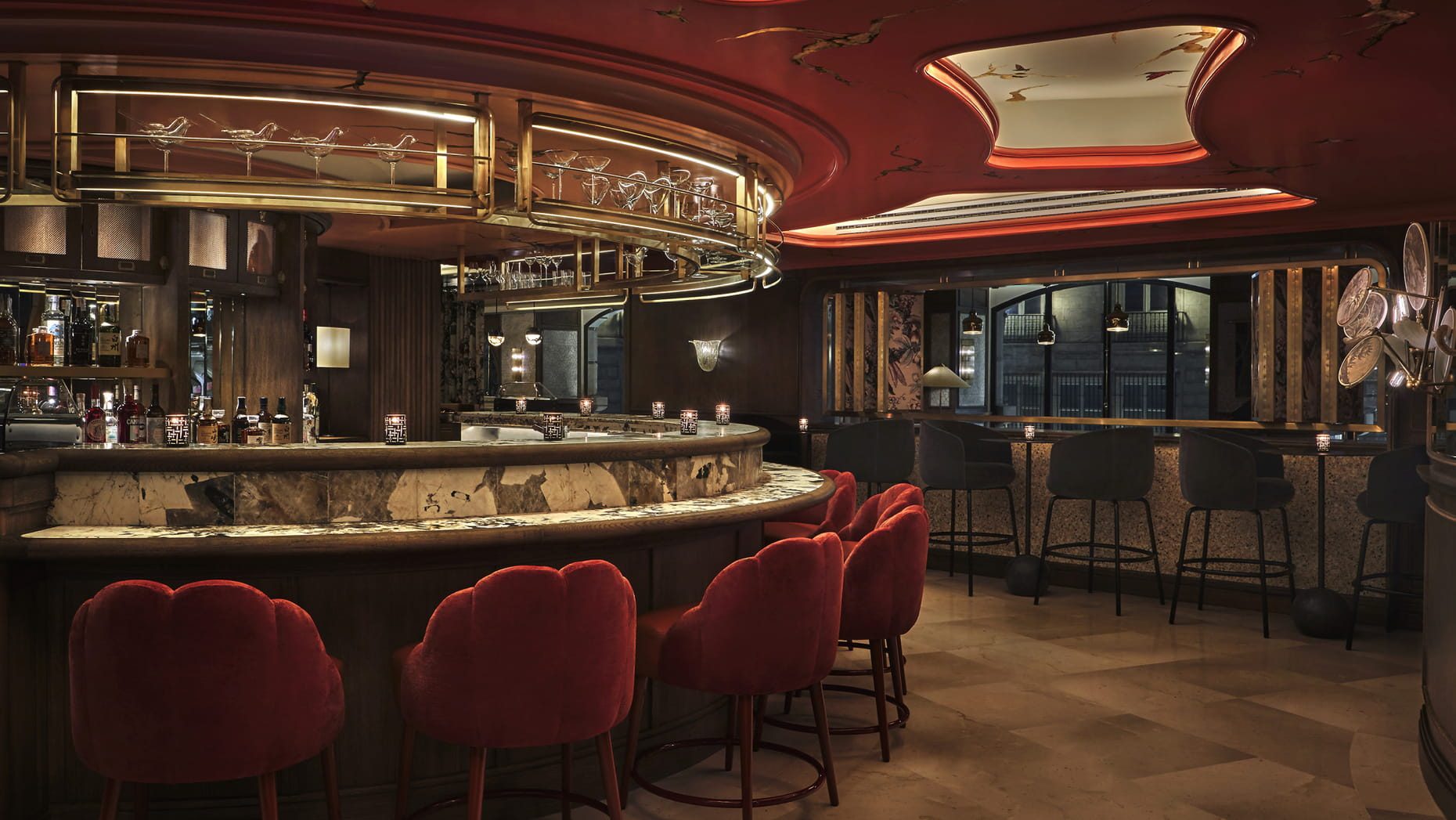
Breakfast is broad, well executed and served properly late, which suits Madrid's hours better than most international hotels manage. Dachi and the ground floor bars are pleasant and well run, and the terrace is a good place to end an evening.
Dinner in the hotel is competent and expensive, which is unremarkable at this level. The more useful point is that you are three minutes from Sol and ten from some of the best eating in Spain, so the hotel restaurant is an option rather than an obligation. A hotel that makes it easy to go out is doing something right.
The bill
Five hundred and eighty euros is a substantial sum and it is also, on this list, the strongest case at the top end. It undercuts both the Ritz and Villa Magna while carrying more hotel than either: larger rooms, four times the spa, and a rooftop pool nobody else in the city can match.
Breakfast is extra and the treatments are priced for a resort rather than a city, both of which are worth budgeting for rather than discovering. Set against what the room and the eighth floor actually deliver, it remains the best value in this bracket in Madrid, and the gap widens the longer you stay.
The particulars
- Where: the Canalejas block, three minutes from Sol, fifteen from the Prado.
- Ask for: the quieter Canalejas side, and confirm the floor.
- Do not miss: the eighth floor pool at eight in the morning, before anyone else is up.
- Best months: July and August, when that pool justifies the whole booking.
- Best for: a first trip, a family, or anyone who wants one hotel to do everything.
Read next
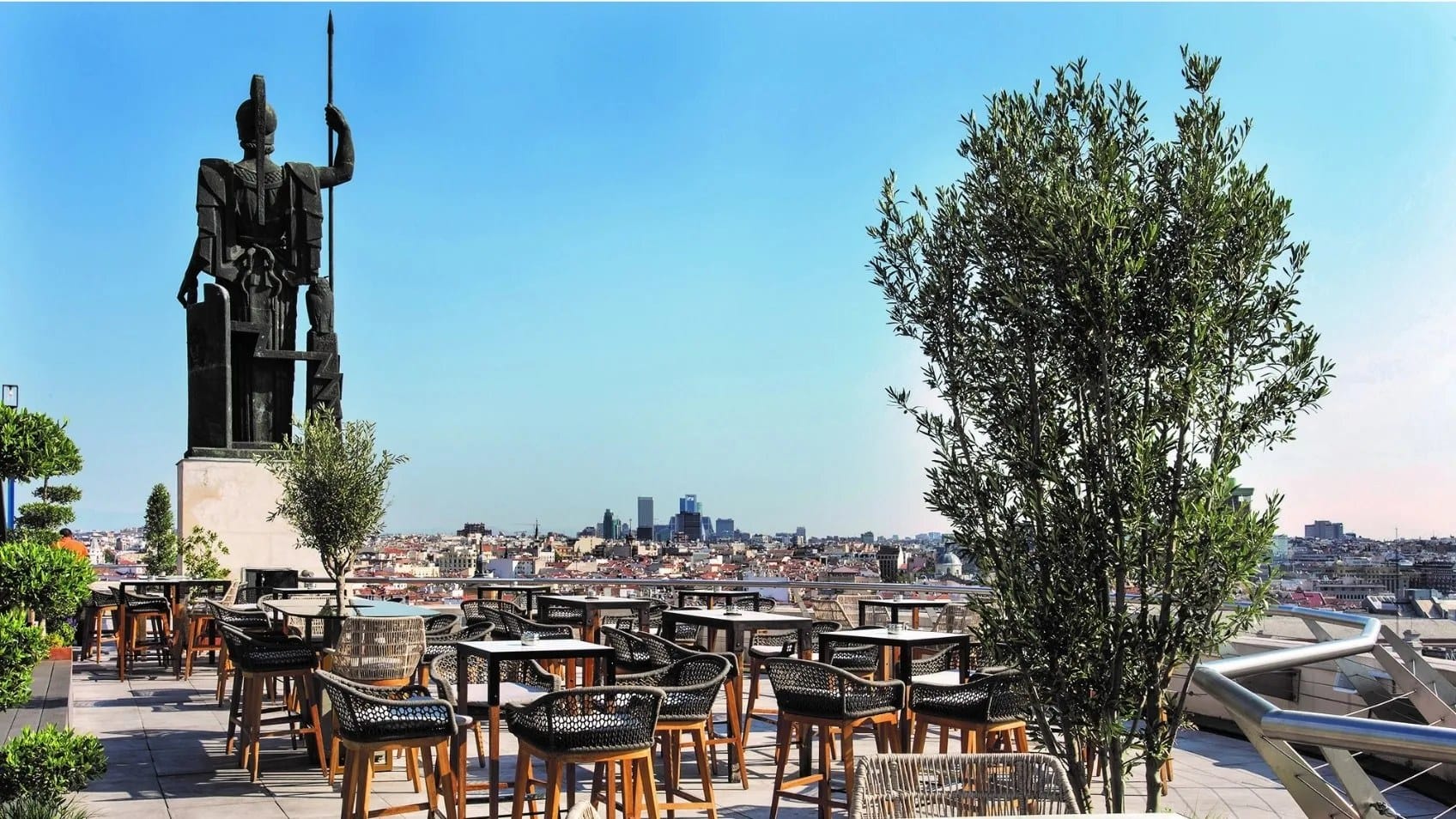
The best rooftop bars in Madrid, and the hour to arrive
Madrid is broad, flat and low, which makes it the right shape for this. Eight rooftops compared on the view, the crowd and the bill, plus the two booking traps that catch people out.
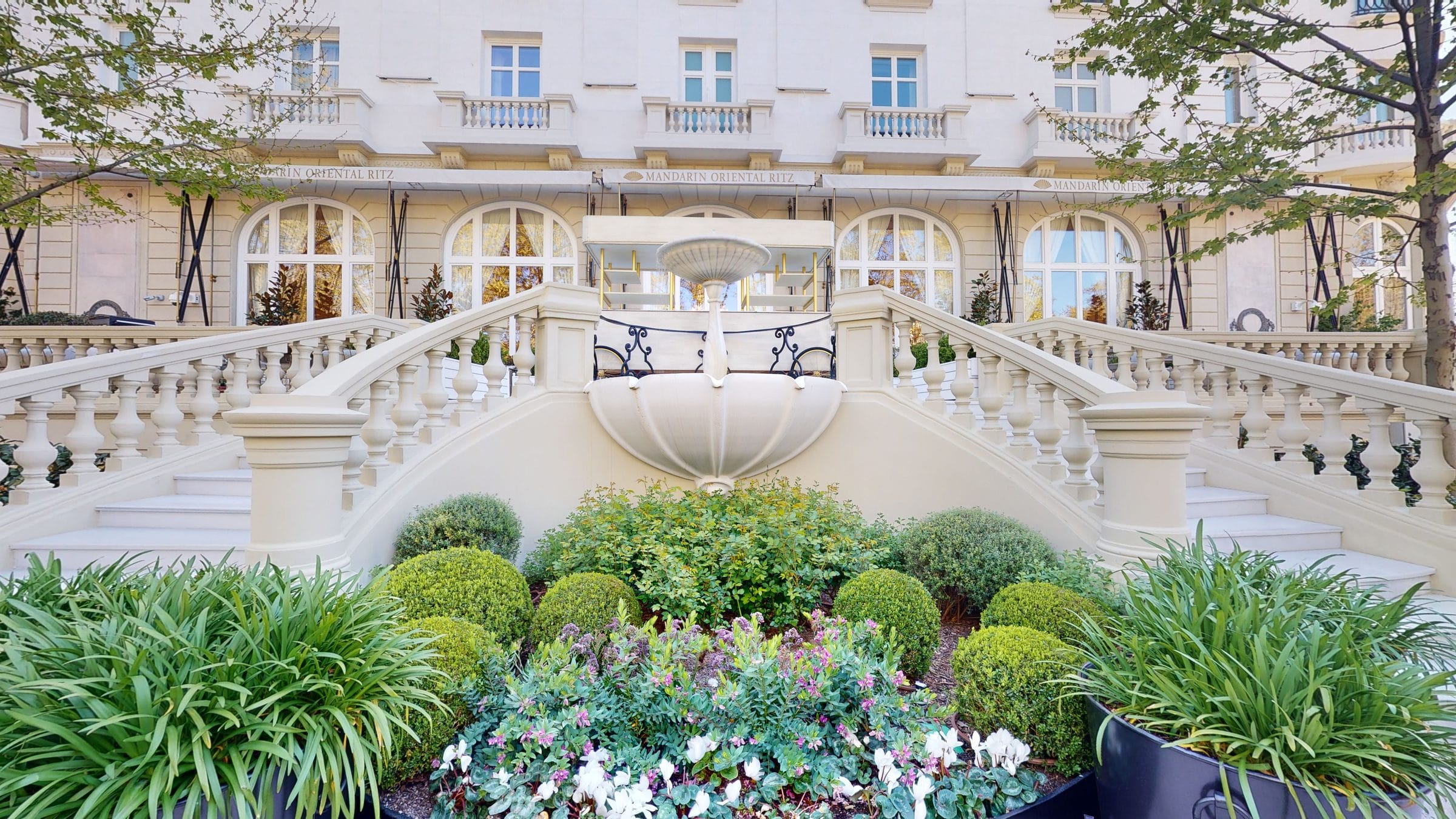
Mandarin Oriental Ritz, Madrid: the grande dame, restored to within an inch of her life
Two years shut, a restoration nobody wanted to put a ceiling on, and a marble spa dug out underneath. The finest ground floor in Madrid, and a room rate that expects you to use it.

Madrid in three days, built around where you sleep
Most itineraries are a list of museums arranged by opening hours, which is how people end up crossing the city four times a day. Three districts, three days, and the sightseeing fitted around the eating.