Roma and Condesa: the best cocktail bars in Mexico City
Eleven of North America’s fifty best bars are in Mexico and most of the good ones sit in two adjoining neighbourhoods: one built for Porfirian money, the other on an Art Deco racetrack. Where to drink, what to order, and the altitude problem nobody mentions.
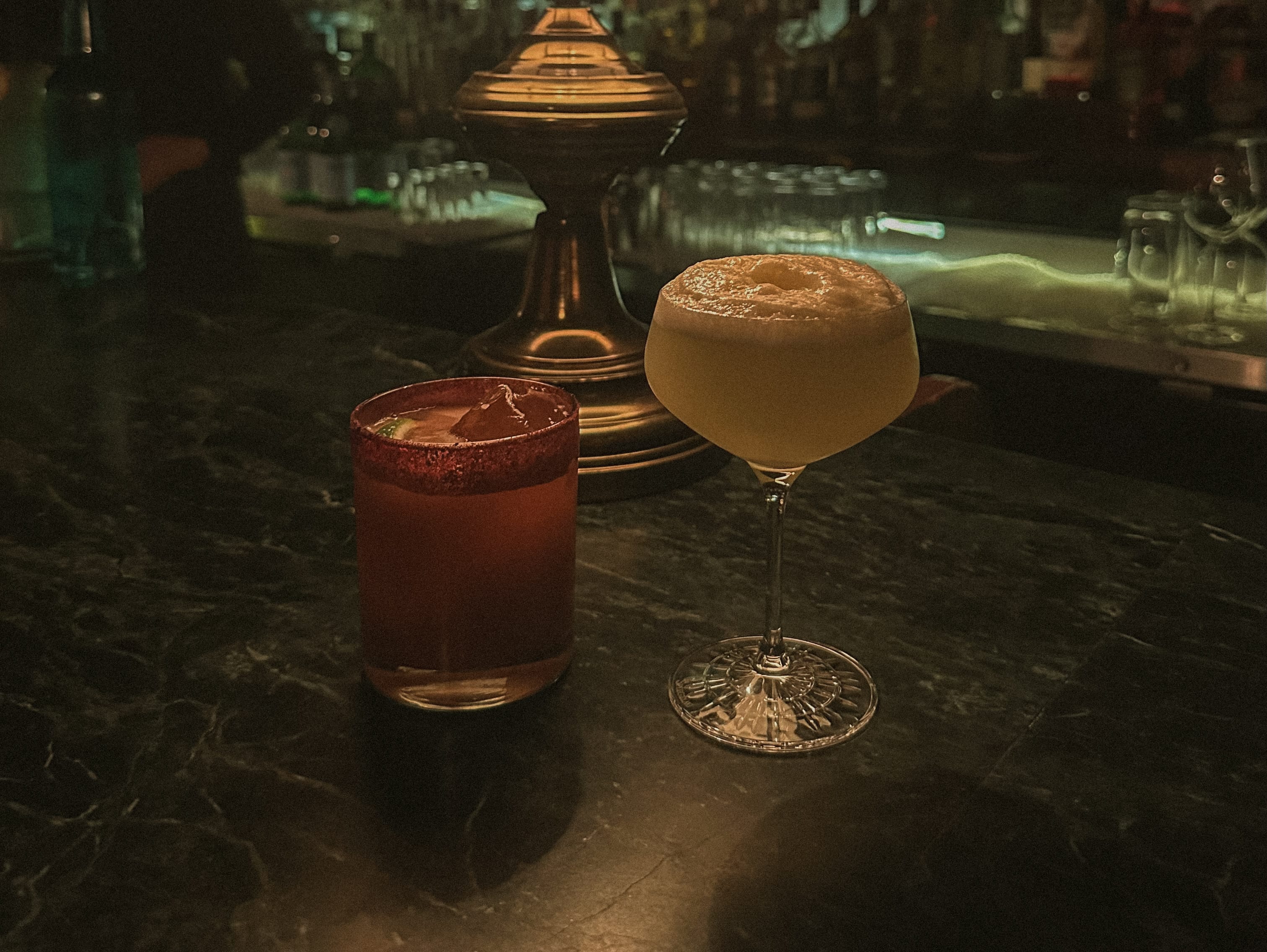
Eleven of North America's fifty best bars are in Mexico, three of them in the top ten, and the best bar on the continent has been in Mexico City two years running. That is not a scene arriving. That is a scene that arrived, settled in, and started exporting bartenders.
Most of it sits in a walkable stretch of two neighbourhoods. Roma Norte and Condesa run into each other across Avenida Insurgentes, and between them they hold more serious drinking than anywhere else in the Americas. They are also, and this is the part nobody writes about, two of the finest pieces of early twentieth century architecture on the continent. Our guide to the neighbourhoods covers which one to sleep in.
Two neighbourhoods, forty years apart

Roma came first, laid out from about 1902 for the people doing well out of the Porfirio Diaz years: wide streets, French and Italianate mansions, the kind of money that wanted to look European. The 1985 earthquake hit it hard, the middle classes left, the rents collapsed, and artists moved into the shells. That sequence is why Roma looks the way it does now, grand bones with a bohemian tenant, and why a cocktail bar can occupy a townhouse that was built for a family of nine and a staff.
Condesa is the younger one, and it is the Art Deco. Between 1910 and 1925 the land was a horse racing track, the Hipodromo de la Condesa, built by the Mexican Jockey Club for a class of people who found bullfighting a bit provincial. The track closed in 1925. Parque Mexico opened on the site in 1927, designed by the architect Leonardo Noriega with the engineer Javier Stavoli, and the neighbourhood went up around it through the thirties and forties in the style of the moment.
Two things follow from that, and both are visible from a bar stool. Avenida Amsterdam is an oval, because it follows the outline of the racetrack, and walking it is the closest thing Mexico City has to a circular pilgrimage. And the buildings are Deco: curved corners, porthole windows, stepped parapets, terrazzo, ironwork. The Edificio Basurto on Avenida Mexico, fourteen storeys by Francisco J. Serrano and finished in 1945, was absurdly tall for the area and is still the emblem of the place.
Condesa is a neighbourhood built around a racetrack that no longer exists, which may be the most Mexico City sentence it is possible to write.
Roma Norte, which has the depth
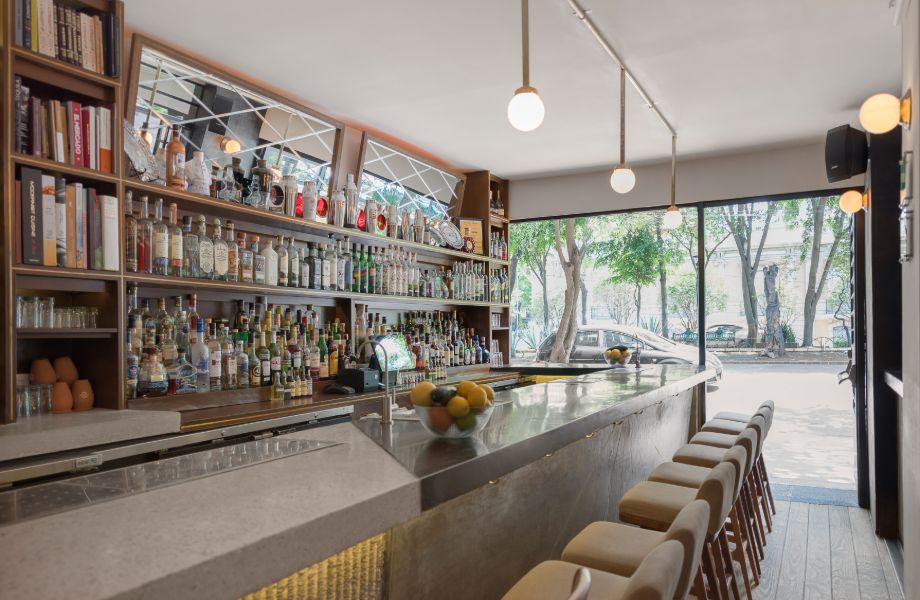
Licoreria Limantour is the one to start with, and not only because it is ninth on the continent and took the Legend of the List award in 2026. It opened on Avenida Alvaro Obregon in 2011, before any of this was a scene, and a large share of the city's good bartenders have come through it. Order the Margarita al Pastor, which puts the taco spice mix into the glass and should be a gimmick and is not, or the Mr Pink, a paloma pushed sideways with rosemary and gin.
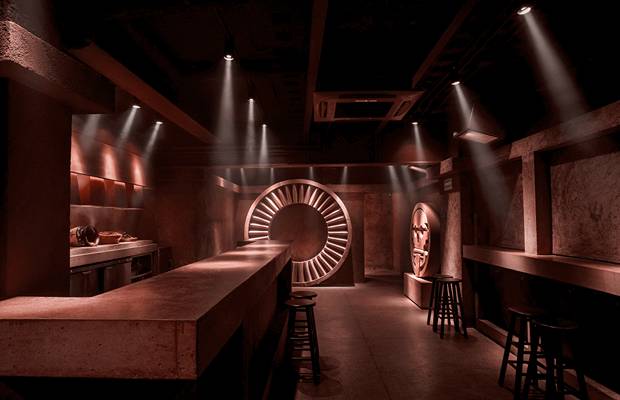
Tlecan is third on the continent and the most serious room in the neighbourhood. It is a mezcaleria in the proper sense, built around agave spirits and the history behind them, in an interior somewhere between an Aztec tomb and a very good cellar. The Pulque Colada and the Tascalate Sour are the ones to ask for. Go early in the evening, when there is space to talk to whoever is pouring, because that conversation is most of what you are paying for.
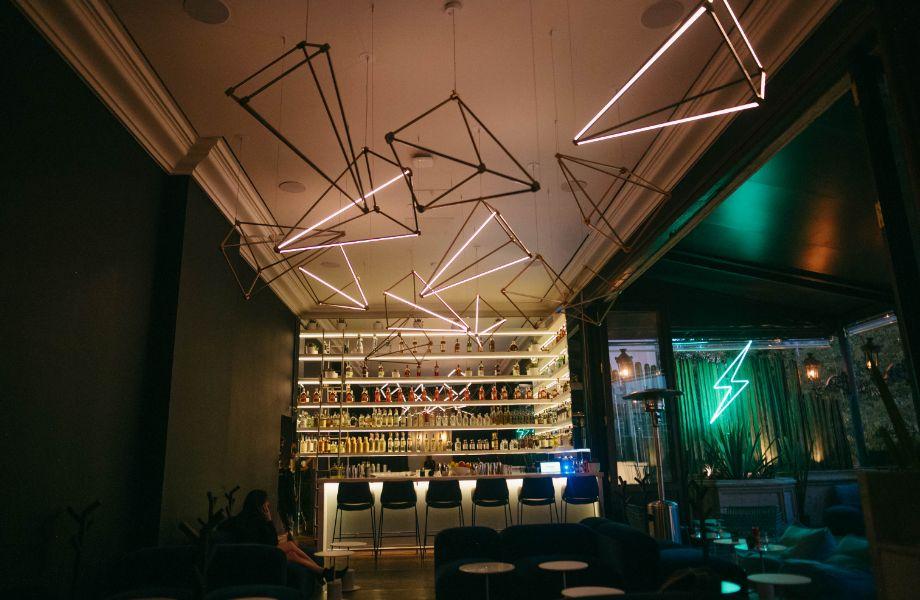
Rayo is the theatrical one, named for Mayahuel, the agave goddess, and built around what it calls Mexico through the senses. Expect garnishes involving blue yuzu air, mole, and in one case beef rind. It placed fifth on the continent in 2024. The theatre could easily be the whole of it, and then the drink arrives and it is genuinely good, which is the trick.
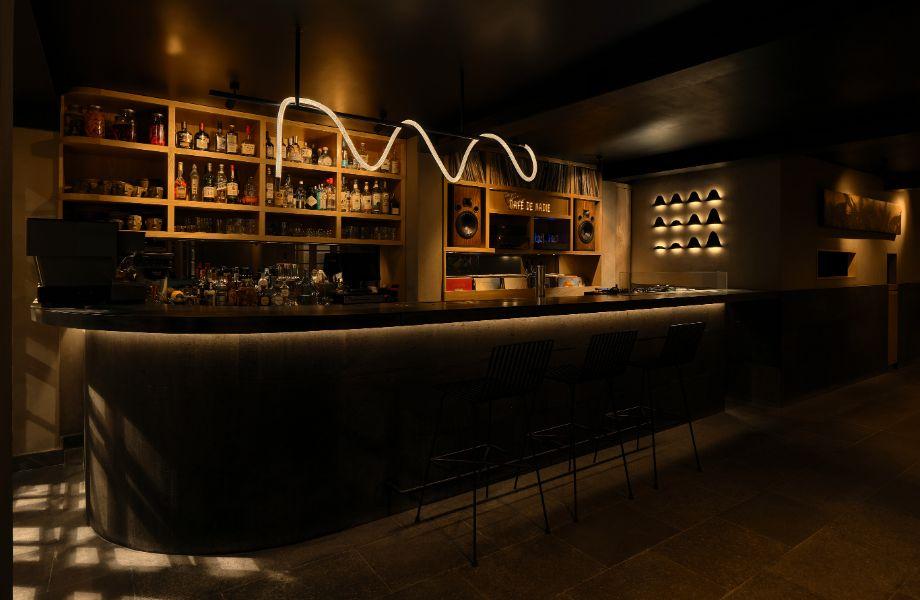
Bar Mauro, at Tabasco 149, is the newcomer that went straight in at fourteen. Cafe de Nadie, at Chihuahua 135, is the one for later: a hi-fi system, a lot of funk, and a room that stops being a cocktail bar around midnight and becomes something else. Both are within a few minutes of the others.
Condesa, which has the evenings
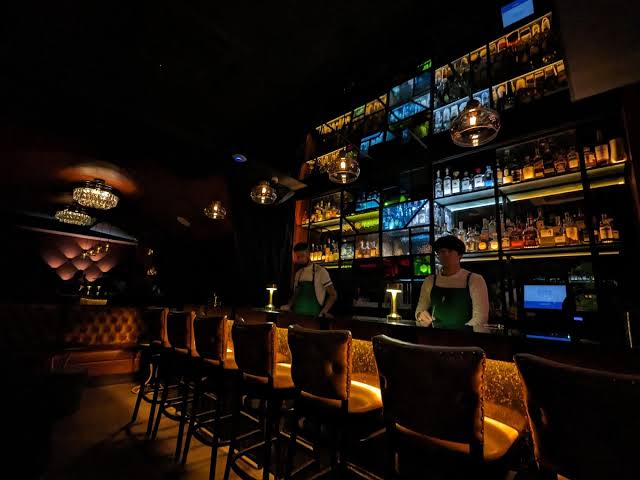
Condesa is calmer, greener and more residential, and the bars reflect it. This is where you drink before dinner and after it, rather than where you build the night.
Baltra is the essential one. It is on the corner of Iztaccihuatl and Amsterdam, which means it sits directly on the old racetrack oval, and it is twentieth on the continent and has been in the global fifty every year since 2021. The theme is the Galapagos, lightly worn. The drink is the martini: it is what the bar is known for, it is what the room is built around, and there are discounted ones on Tuesdays, which is the single best value in this entire piece. The outdoor tables are the correct place to be at seven.
Bijou Drinkery Room, on Avenida Sonora in Hipodromo, is thirty fourth and the smallest of the lot. Its virtue is that it is a genuine neighbourhood bar that happens to be on a continental list, which is a difficult combination to pull off.
The walk between the two neighbourhoods takes about fifteen minutes and goes past most of the Deco worth seeing. Do it once in daylight before you do it at night.
What nobody tells you
The altitude. Mexico City sits at about 2,240 metres. Alcohol is noticeably more effective here than at sea level, and the second drink of the evening behaves like the third. This is the most useful sentence in this guide and the one most consistently left out of the others.
Book the top few. Limantour, Tlecan and Rayo take reservations and need them at weekends. The rest are walk-in and the trick is simply to arrive before nine, when the city has not yet decided to go out.
What it costs. Roughly two hundred to three hundred and fifty pesos a cocktail, which is about eight to fourteen pounds, for drinks that would be twenty in London. Tip ten to fifteen per cent.
The rhythm. Nothing starts early. Dinner at nine is normal, bars fill from ten and run to around two. If you turn up at seven you will have the good seats and the bartender's full attention, which is not the worst plan.
One night, done properly
Walk Avenida Amsterdam at six while it is still light, so you have seen the oval and the Deco before you drink. Aperitif outside at Baltra at seven, and make it the martini. Dinner in Roma at nine. Limantour at eleven for the Margarita al Pastor, Tlecan afterwards if you want to take it seriously, Cafe de Nadie if you would rather dance.
Then walk home through Condesa at two in the morning, past the porthole windows and the curved corners, on a street laid out for horses that stopped running a century ago.
Read next

Where to stay in Mexico City, barrio by barrio
Roma, Condesa, Juarez, Polanco, the Centro and Coyoacan: what each one is actually like, who it suits, what it costs, and the two things about staying here that most guides leave out.

The paradores of Andalucia, and how to pick the ones worth the detour
Spain runs ninety-odd hotels in castles, monasteries and Renaissance palaces, at an average of about £112 a night. Five in Andalucia worth going out of your way for, including a UNESCO palace at €104 and a convent inside the Alhambra walls.

Are we tired of beige, or of rooms that could be anywhere
Colour is coming back to hotel interiors, and the trade press has decided this is a design story. It is closer to a complaint, made by guests, about rooms that could be anywhere.