Where to stay in Mexico City, barrio by barrio
Roma, Condesa, Juarez, Polanco, the Centro and Coyoacan: what each one is actually like, who it suits, what it costs, and the two things about staying here that most guides leave out.

Coyoacan, six miles and about a century from Roma Norte.Photograph Noemí Jiménez on Pexels · pexels.com
Mexico City is not a city you stay in. It is about twelve cities that share a metro map, and the distance between two of them at six in the evening can be an hour and a half in a taxi that has not moved. Choosing the wrong colonia does not ruin a trip, but it will quietly cost you two hours a day, and over five days that is most of a day gone.
So this is the decision worth spending twenty minutes on before you book anything. What each neighbourhood is actually like, who it suits, what it costs, and the two things about staying here that the other guides tend to leave out.
The short answer
- First visit, three to five days: Roma Norte. It is the one that makes the city easy.
- You want quiet, trees and a park to run in: Condesa.
- You want the museums and the money: Polanco.
- You want to be inside the history: Centro Historico.
- You have a week or more, or you have been before: Coyoacan.
- You want Roma prices to behave: Juarez, or Roma Sur.
Roma Norte, and Roma Sur behind it

Roma was laid out from about 1902 for people doing well out of the Porfirio Diaz years, which is why the bones are so good: broad streets, plane trees, and mansions built by people who had seen Paris and wanted some of it. Two earthquakes shaped what happened next. The 1985 quake hit it hard, the middle classes left, rents collapsed and artists moved into the shells. The 2017 one hit it again, which is why you will still see scaffolding and the occasional gap in a terrace.
What that produced is the most useful neighbourhood in the city for a visitor. You can walk to about forty restaurants worth eating in, most of the best bars on the continent are within fifteen minutes, and you are twenty minutes from the Centro and ten from Chapultepec.
The trade is that Roma Norte now knows exactly what it is. It is the most photographed, most Airbnb'd, most English-spoken part of the city, and on a Saturday on Calle Colima you could be in a good neighbourhood of any city on earth. If that bothers you, and it bothers some people, walk ten minutes south.
Roma Sur is the same architecture with a third fewer cafes and noticeably lower rates. It is where people move when Roma Norte prices them out, and for a visitor it is the best value in this entire guide: you lose nothing but a five minute walk.
Stay here if: it is your first visit, or you want to walk to dinner without thinking about it.
Condesa and Hipodromo
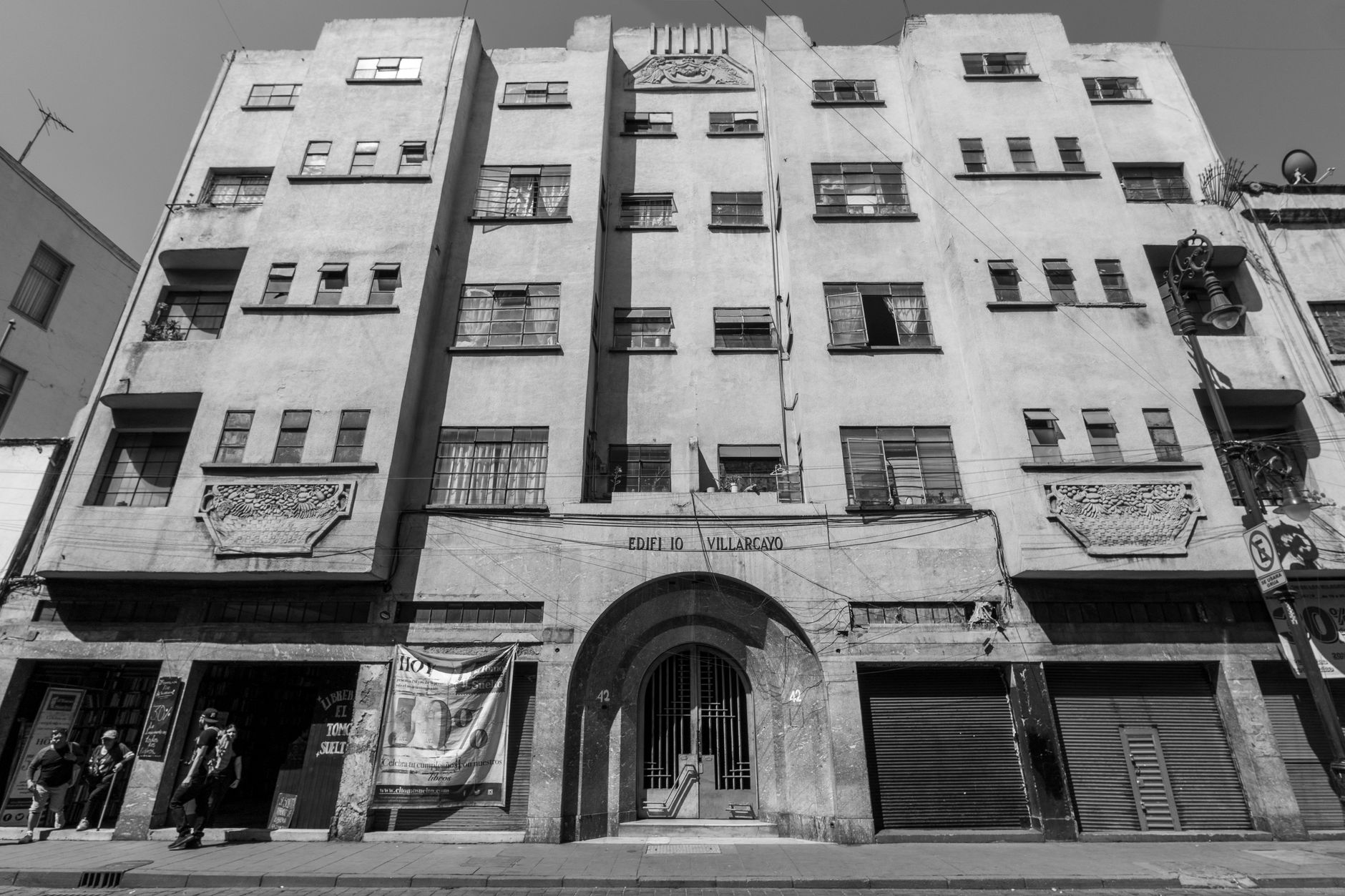
Condesa is the calmer, greener, more residential neighbour, and it is the architectural one. Between 1910 and 1925 this land was a horse racing track built by the Mexican Jockey Club. The track closed in 1925, Parque Mexico opened on the site in 1927, and the neighbourhood went up around it through the thirties and forties in the style of the moment, which was Art Deco.
Two consequences you can see from a pavement table. Avenida Amsterdam is an oval because it traces the outline of the racetrack, and it is the single best walk in the city. And the buildings are Deco throughout: curved corners, porthole windows, stepped parapets, terrazzo, ironwork. The Edificio Basurto on Avenida Mexico, fourteen storeys finished in 1945 by Francisco J. Serrano, was absurdly tall for the area and is still what people point at.
Condesa is a neighbourhood shaped around a racetrack that stopped existing a hundred years ago, and you can still walk its outline without knowing you are doing it.
It is more dogs, more runners, more parks and fewer restaurants than Roma. Nightlife is quieter and finishes earlier. For a second visit, or for anyone travelling with children, it is the better of the two.
Stay here if: you want to walk in the morning as much as you want to drink in the evening.
Juarez
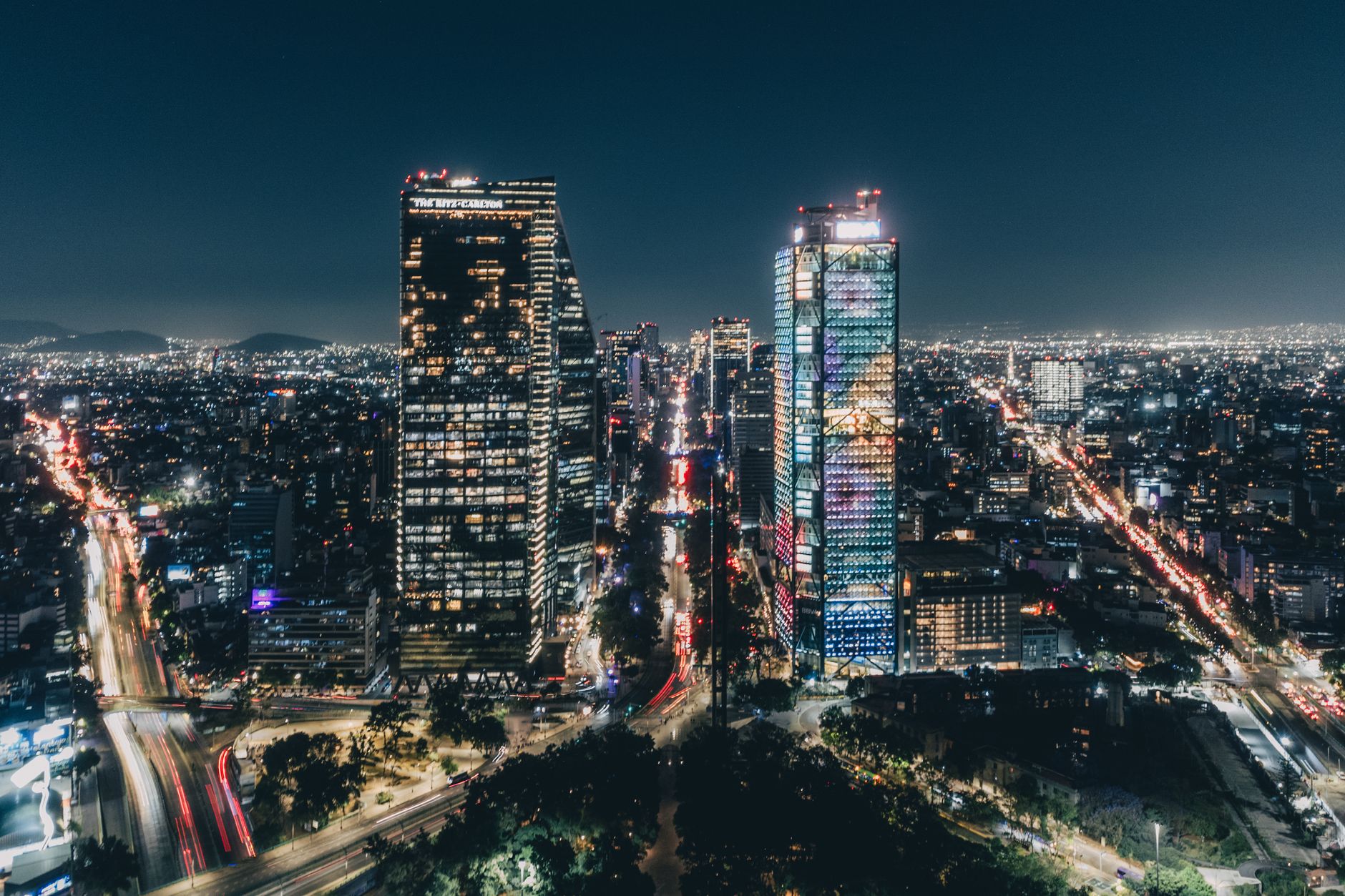
Between Reforma and Roma, and the sensible compromise nobody mentions. Juarez has the Angel de la Independencia at one end, the Zona Rosa on its flank, and a strip of genuinely good places to eat and drink, including the bar currently rated the best on the continent.
Practically, it is the most connected place to sleep. You are on Reforma, which means the airport bus, the Metrobus and every taxi route in the city, and you can walk to Chapultepec in fifteen minutes and to Roma in ten. Rates run below Roma Norte for the same standard of room.
The Zona Rosa edge is loud at night, which is the reason people write it off. Stay on the Roma side of it and you have the best-located bed in Mexico City.
Stay here if: you are moving around a lot, or flying in and out on a short trip.
Polanco
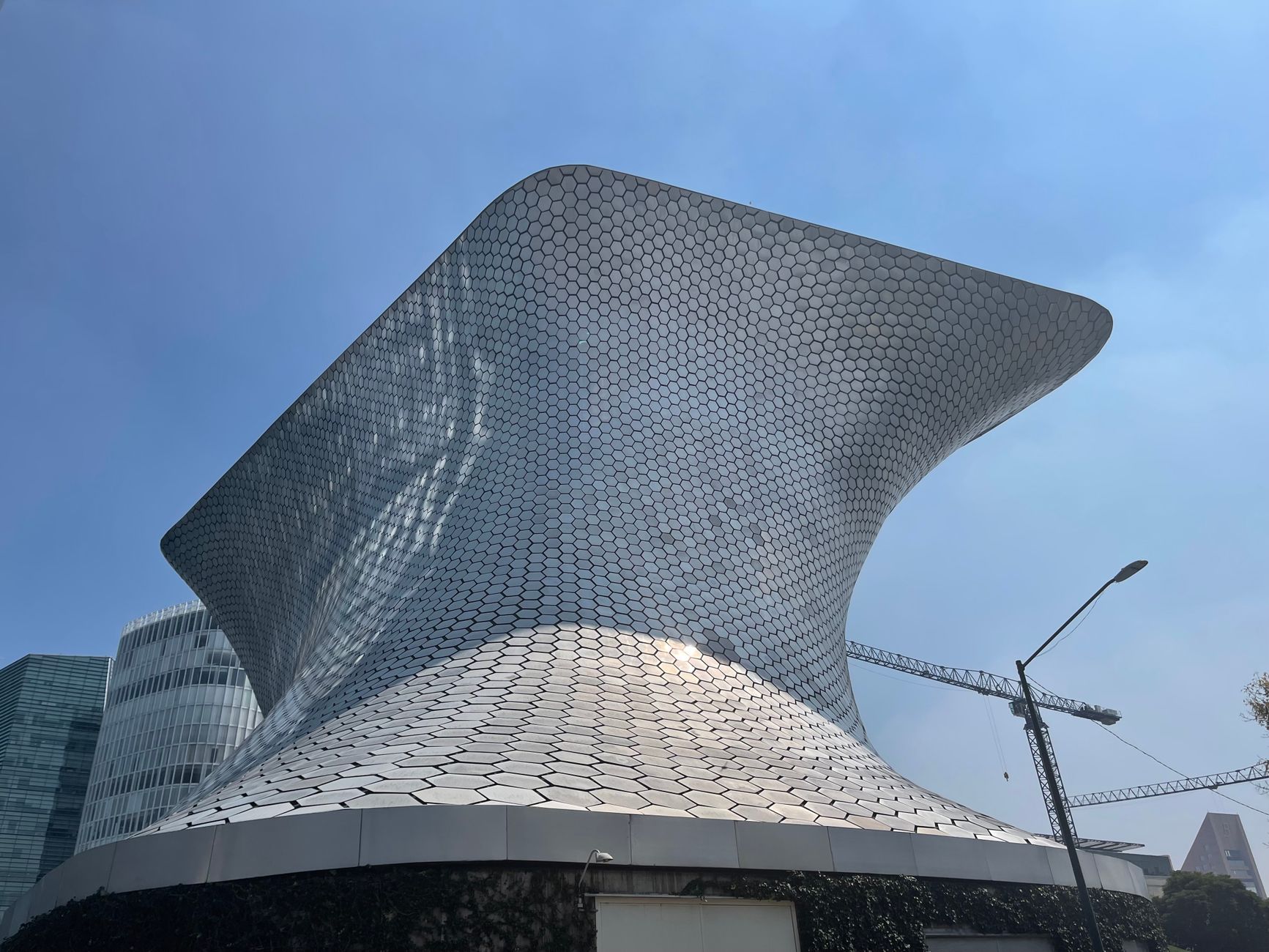
The money. Avenida Presidente Masaryk is the expensive shopping street, Pujol and Quintonil are here, the Museo Soumaya and the Jumex are at one end, and the Museo Nacional de Antropologia, which is the single best museum in the country and arguably in the Americas, is on the Chapultepec edge.
Polanco is where the international hotel brands are, so if you want a proper concierge, a gym that works and a lobby that takes itself seriously, this is the only real option. It also feels the safest of anywhere in the city, in the plain sense that nothing much appears to happen there.
What you give up is texture. It is orderly, wealthy and slightly airless, the restaurants take booking six weeks out, and getting to Roma at dinner time takes half an hour. On a first trip it is the wrong answer unless the hotel is the point.
Stay here if: the museums matter more than the bars, or someone else is paying.
Centro Historico
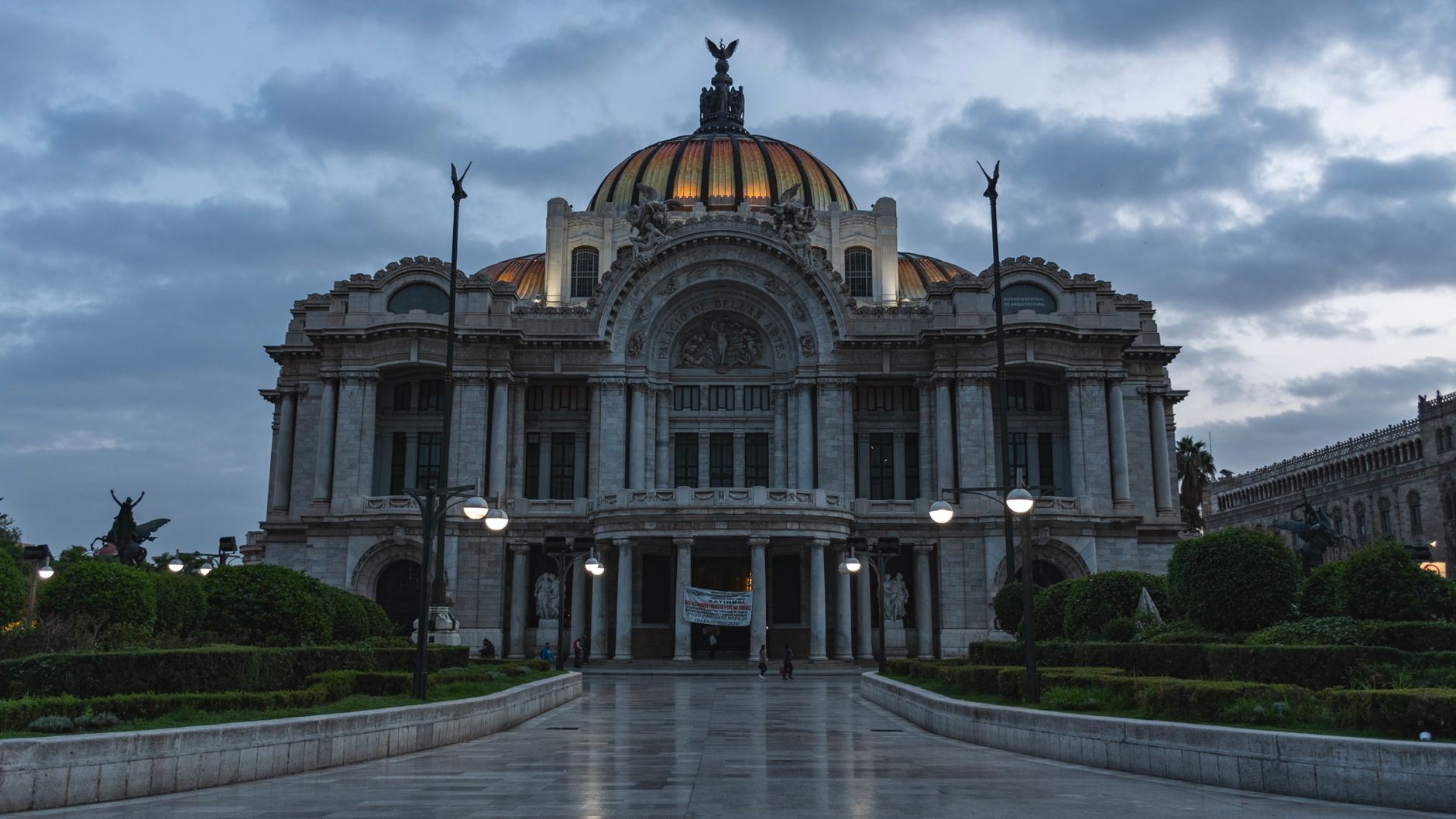
The actual city, built on the actual Aztec capital, and the part most visitors see for a day and do not sleep in. The Zocalo, the cathedral, the Templo Mayor dug out from under a street corner, Bellas Artes, the murals in the Palacio Nacional and at San Ildefonso: all of it is here and none of it is anywhere else.
Staying in it is a real option and the best value in the city, with grand old buildings converted into hotels at prices Roma stopped charging years ago. The catch is that the Centro is a working district rather than a residential one. It is dense and loud until about eight in the evening and then it empties, and the streets go from crowded to deserted in about forty minutes, which some people find atmospheric and others do not.
If you do stay, stay near Bellas Artes or the Zocalo rather than east or south of them, and take a taxi back after dark rather than walking twelve blocks.
Stay here if: you want to be inside the history and you are happy to go out to dinner elsewhere.
Coyoacan, and San Angel next door
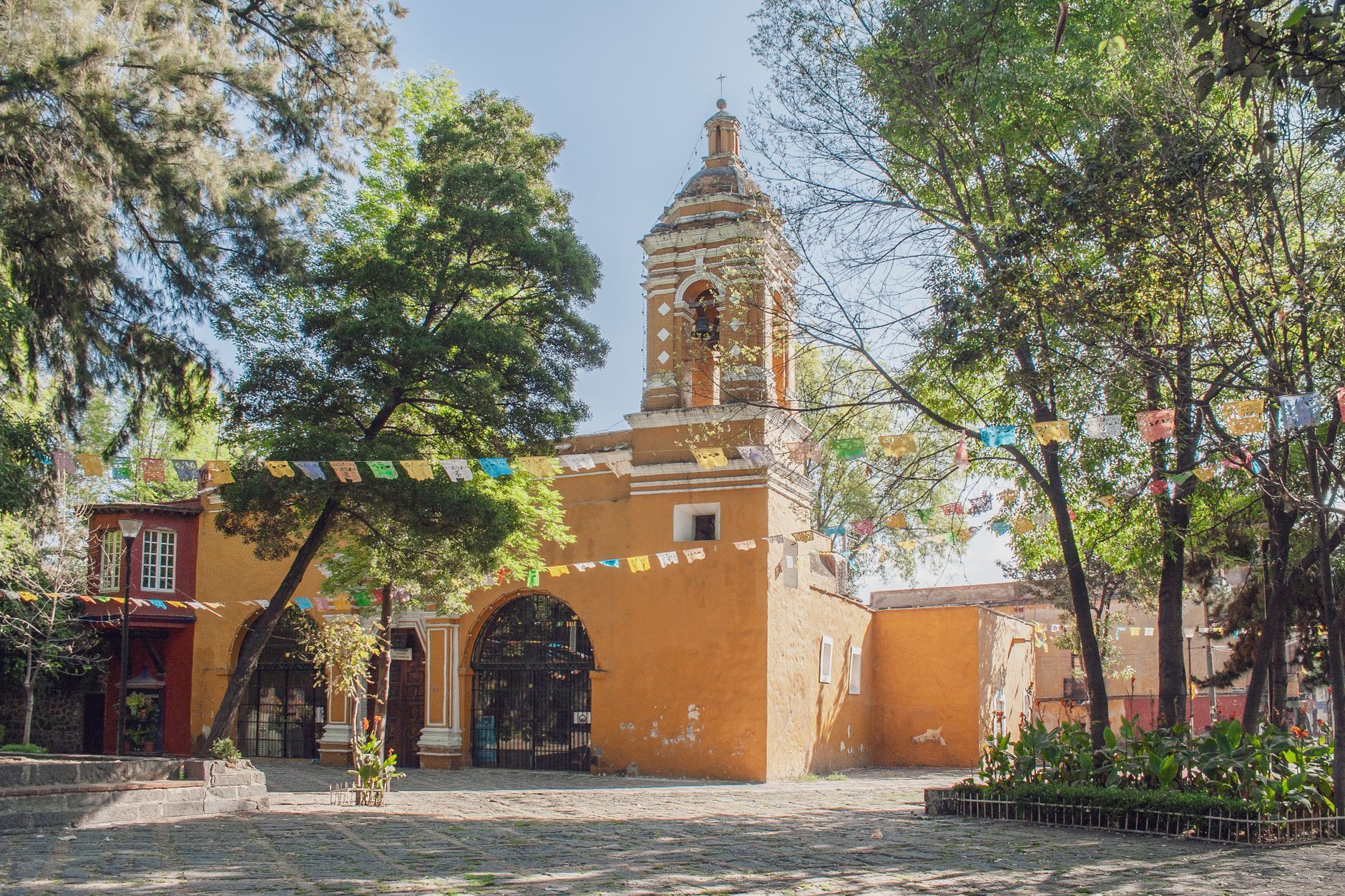
Six miles south and a different century. Coyoacan is a colonial village that the city grew around and never quite absorbed: cobbles, deep red and ochre walls, two squares that fill on a weekend with vendors and musicians and families, and the Casa Azul, where Frida Kahlo was born, lived and died.
It is the most charming place in Mexico City and it is the wrong base for a short trip. You are forty minutes from Roma on a good run and considerably more at rush hour, so a three day visit spent here is a three day visit spent commuting. Give it a week and it inverts: you get a quieter, cheaper, more Mexican daily life and you take the trips north when you want them.
San Angel, next door, is the same idea with more money and cobbled streets that are harder on the ankles. Its Saturday market, the Bazaar Sabado, is the one genuinely good craft market in the city.
Stay here if: you have a week or more, or you have already done the middle of the city.
The gentrification question, which now involves you
This has to be in a guide written in 2026, because it is the live argument about the exact two neighbourhoods most visitors are told to stay in.
During the pandemic a large number of remote workers, mostly from the United States, moved into Roma and Condesa. Mexico City now has more than twenty six thousand Airbnb listings, concentrated in Condesa, Roma, Juarez and Polanco. Rents in those neighbourhoods have run up to somewhere between twenty three and thirty thousand pesos a month, which is roughly twelve hundred to sixteen hundred dollars, in a city where that is far beyond what most residents earn. People who had lived in Roma for decades have left it.
In July 2025 a march against gentrification and mass tourism ran through Roma and Condesa. It began peacefully and ended with windows smashed and shops looted. The President called the protest xenophobic; the organisers said they were being blamed for a housing failure that was not theirs. The city's mayor, Clara Brugada, has since put forward a fourteen point plan including capping rent rises to inflation and regulating short term lets.
None of that makes visiting wrong, and nobody serious is arguing that it does. But it changes what a good visitor does, and the changes are small:
- Stay in a hotel rather than an apartment. Hotels are zoned as hotels. A whole flat on a short let is one flat not housing anybody, and this is the single decision with any real weight behind it.
- Consider Juarez, Centro or Roma Sur. Less pressure, better value, and you will see more.
- Spend outside the four blocks. The money that reaches the city is the money spent in places that are not on the same eight Instagram posts.
- Learn some Spanish. The most repeated complaint in the coverage was not that foreigners came. It was that they arrived and did not bother.
Safety, said plainly
The honest position is that the central, well-used neighbourhoods in this guide are safe for visitors in the ordinary sense, and that the risk is opportunistic theft rather than anything worse. Roma, Condesa, Juarez, Polanco, Coyoacan and San Angel are all fine, and the Centro is fine by day and on the main lit streets in the evening.
The rules are the ones that apply in any large city, plus two local ones. Use Uber or Didi after dark rather than hailing on the street, because the app has a record of the car. And do not wander east or south out of the Centro at night: Tepito and Doctores are the two names to know, and neither has anything in it you came for.
What surprises people is how normal it feels. Families are out at ten at night, the parks are full on a Sunday, and the loudest thing that happens to most visitors is the gas truck.
Three practical things
The altitude. The city sits at about 2,240 metres. The first day is slower than you expect, sleep is worse for a night or two, and alcohol is meaningfully stronger. Give the first day a light plan and drink more water than feels reasonable.
Getting in. Benito Juarez airport is close to the centre, which is unusual and useful, but the traffic between it and Roma is not. Budget an hour at the wrong time of day. The Metrobus down Reforma is faster than a car more often than you would think.
Data. Roaming on a UK network in Mexico runs to about six pounds a day and a whole trip on an eSIM costs about a tenner, which matters here more than most places because you will use maps constantly and you will want a car booked from wherever you are standing.
So where
First visit: Roma Norte, or Roma Sur if the rates have climbed. Second visit: Condesa. Short and busy: Juarez. A week or more: Coyoacan. And whichever you pick, a hotel rather than a flat, for the reasons above.
Read next
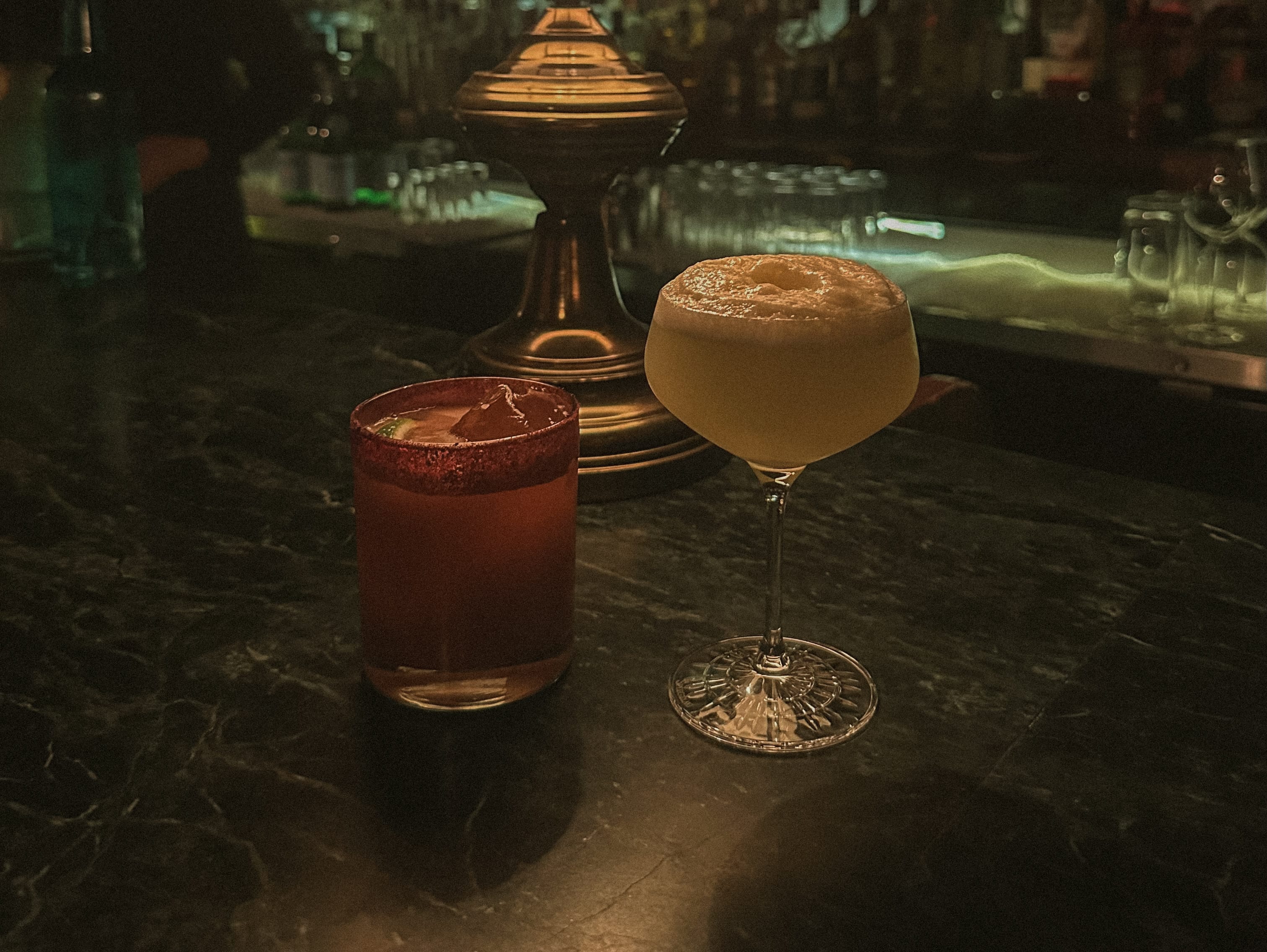
Roma and Condesa: the best cocktail bars in Mexico City
Eleven of North America’s fifty best bars are in Mexico and most of the good ones sit in two adjoining neighbourhoods: one built for Porfirian money, the other on an Art Deco racetrack. Where to drink, what to order, and the altitude problem nobody mentions.

The paradores of Andalucia, and how to pick the ones worth the detour
Spain runs ninety-odd hotels in castles, monasteries and Renaissance palaces, at an average of about £112 a night. Five in Andalucia worth going out of your way for, including a UNESCO palace at €104 and a convent inside the Alhambra walls.

Are we tired of beige, or of rooms that could be anywhere
Colour is coming back to hotel interiors, and the trade press has decided this is a design story. It is closer to a complaint, made by guests, about rooms that could be anywhere.