Anantara Villa Padierna: a Tuscan palace above Marbella, and the finest gardens on this coast
An Italianate palace ten minutes inland from Marbella, with formal gardens worth the trip on their own, a Roman pool, and staff who are the reason you would go back.
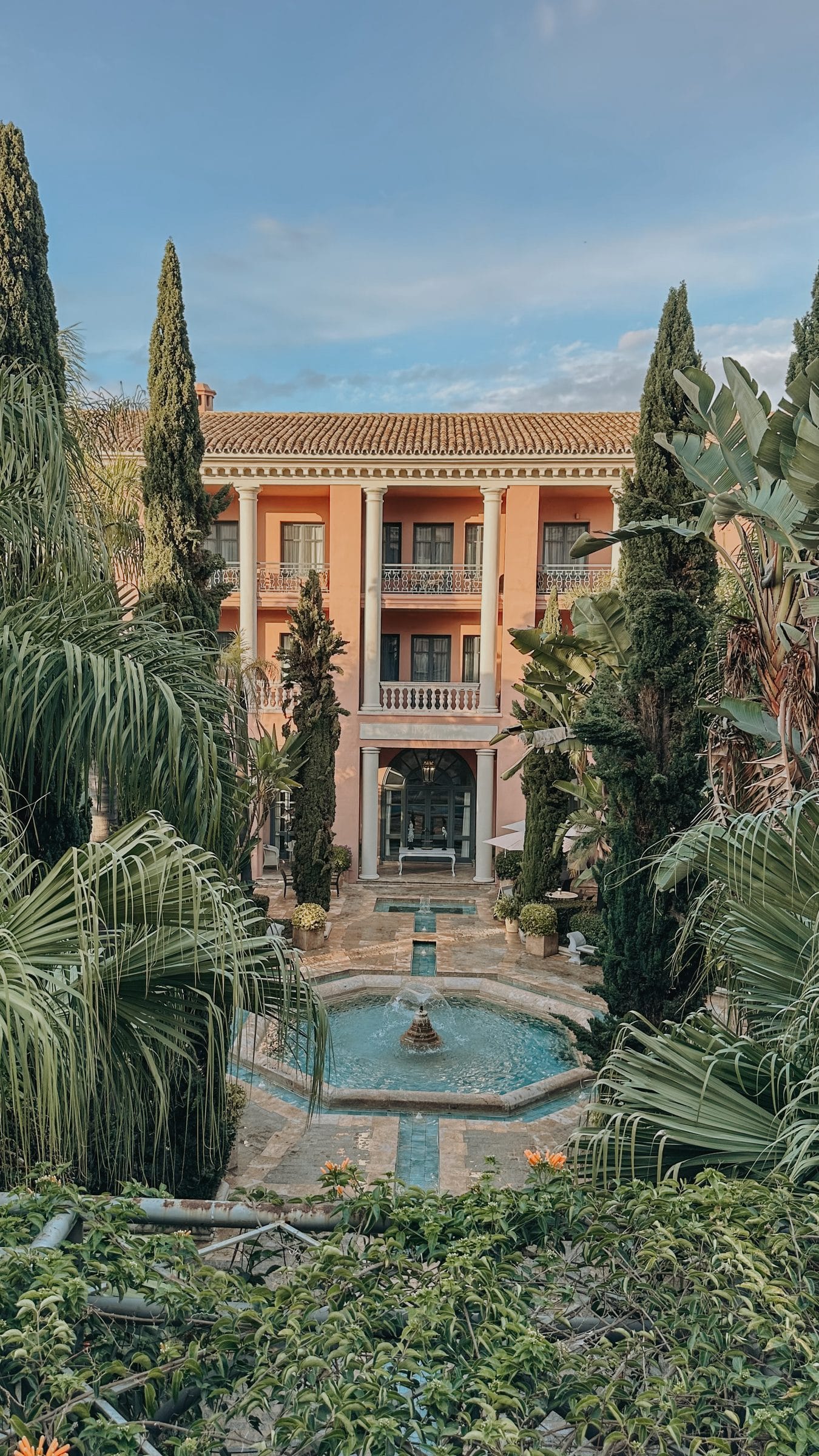
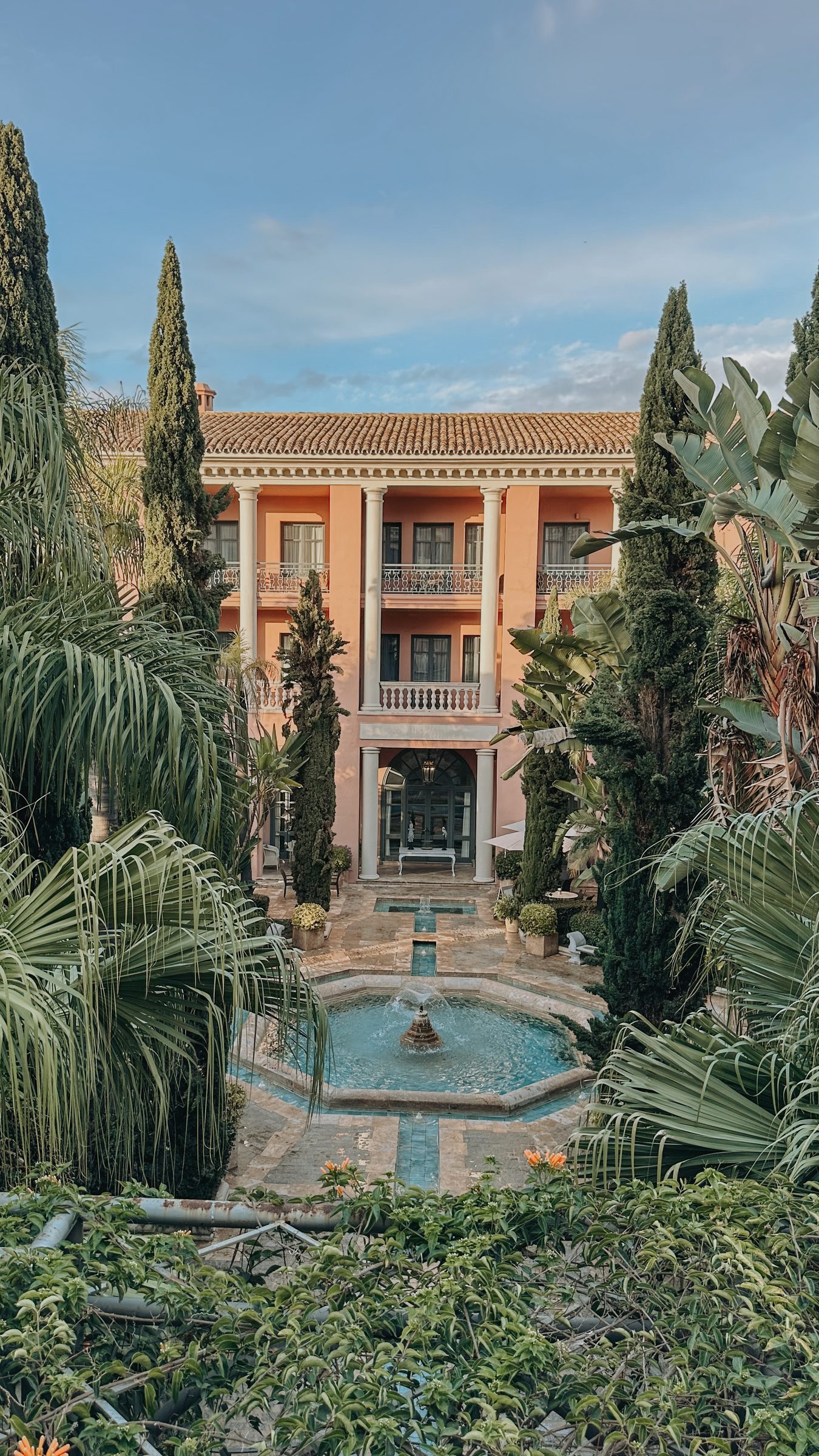
The palace from the gardens, which is where it looks best.
You leave the coast road at Los Flamingos, climb for a few minutes through golf course and umbrella pine, and arrive at a long avenue of cypresses with a terracotta palace at the end of it. It is one of the great hotel arrivals in Spain, and it works on you before you have even parked.
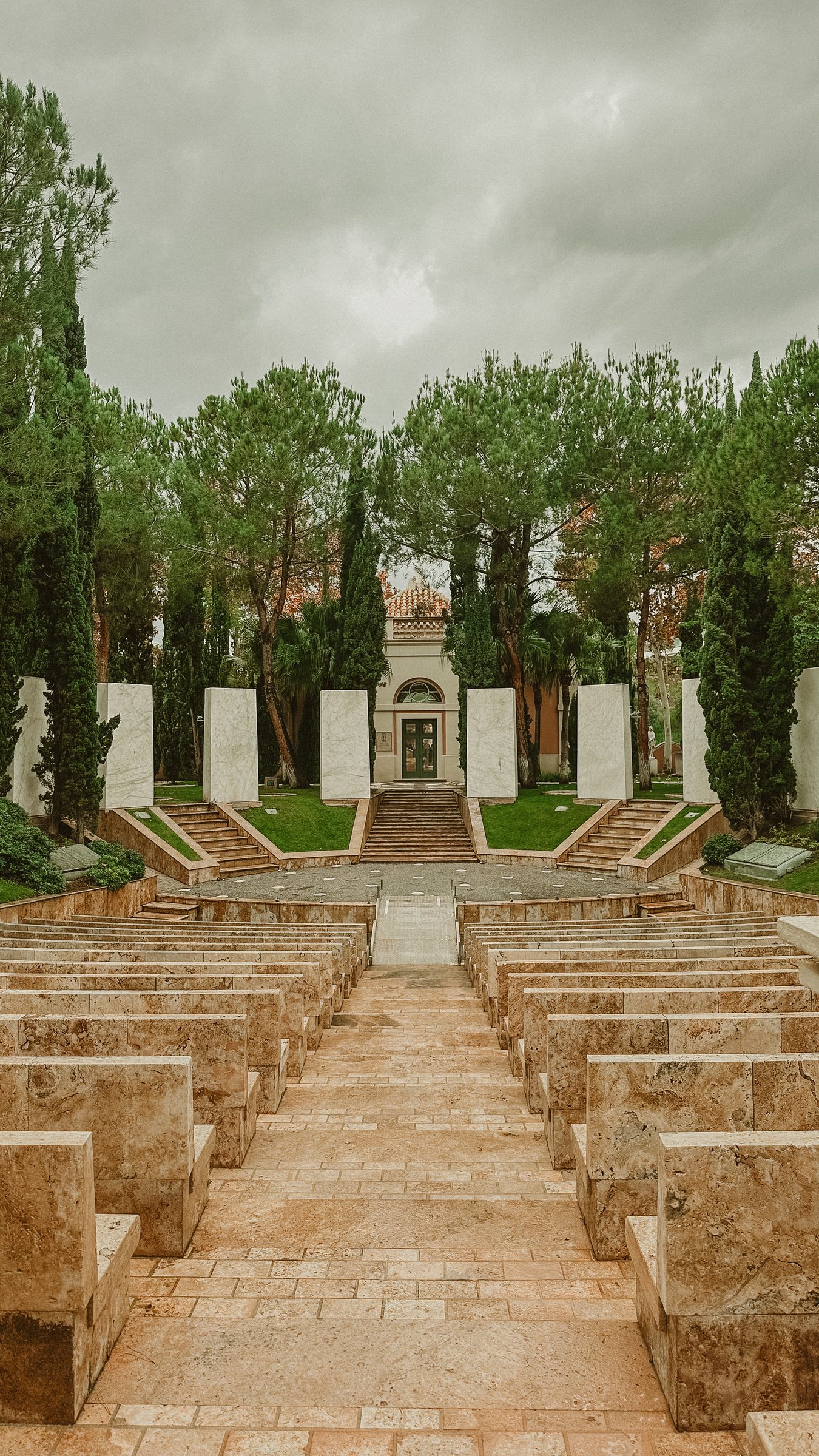
The gardens
These are the best thing here and it is not close. Formal Italian planting, cypress and palm down a long axis, water running through a stone rill into a fountain, statues placed exactly where the eye wants one. It is symmetrical without being severe, because the planting has had twenty years to fill in and soften all the geometry.
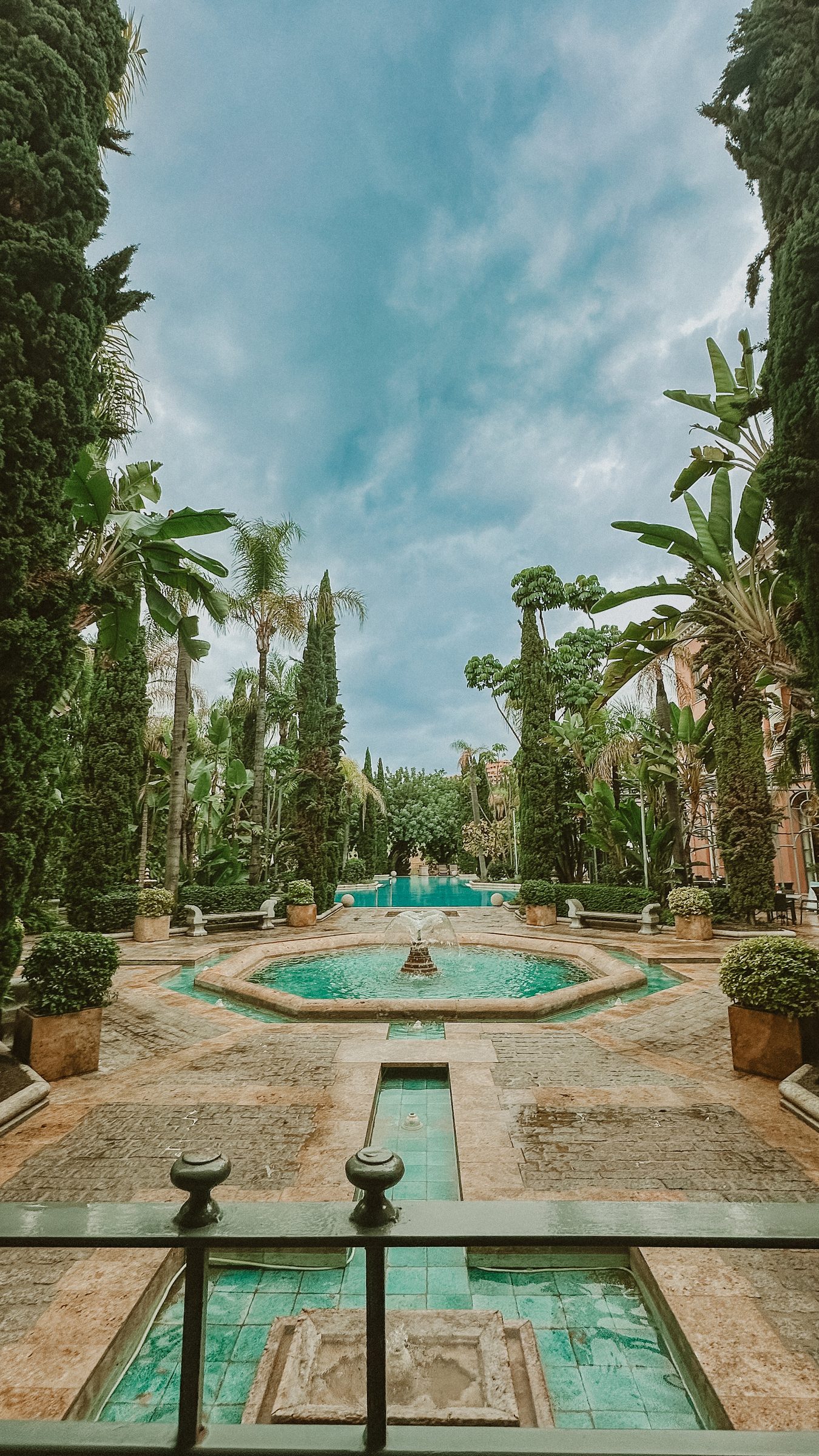
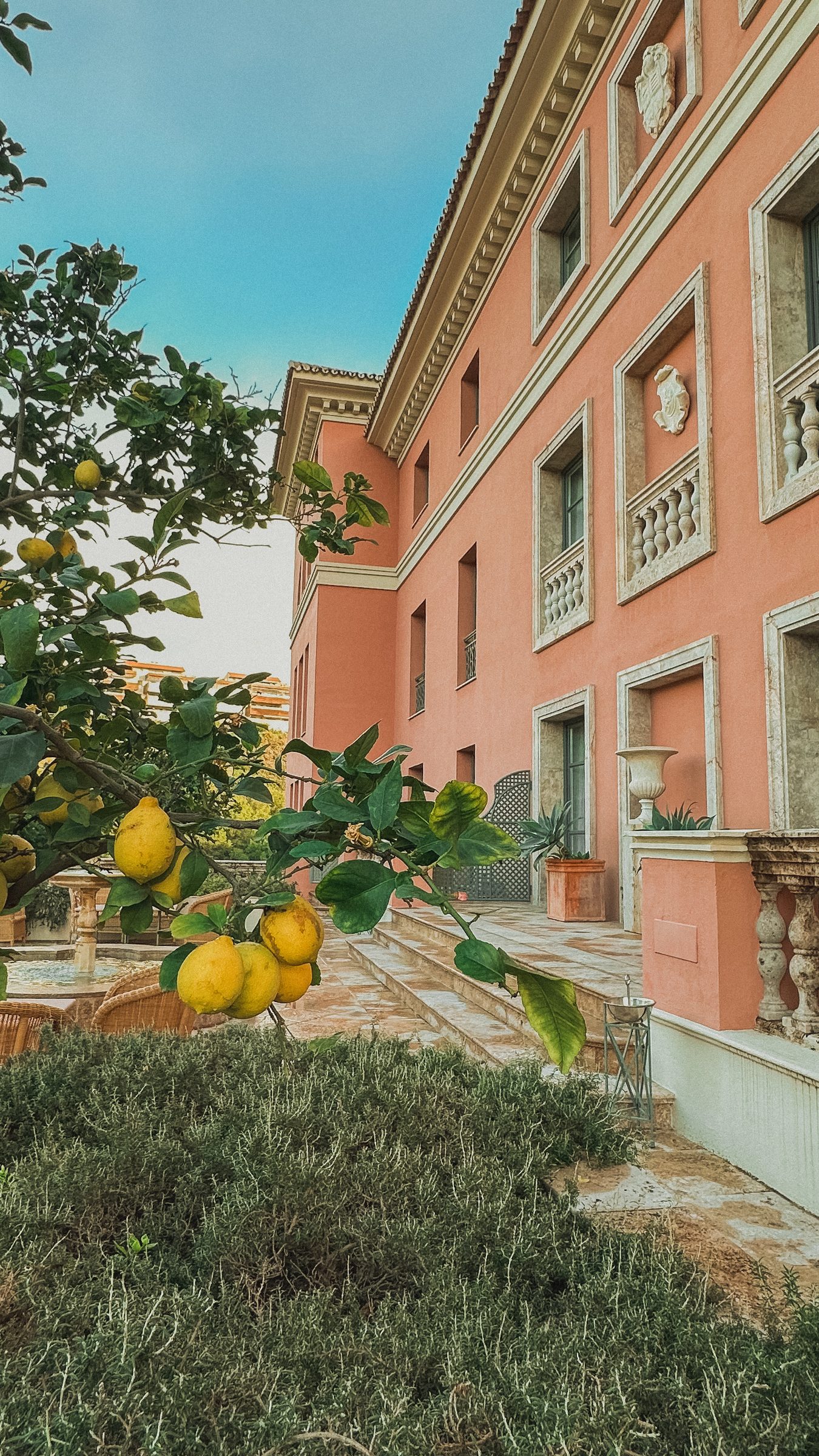
The joy of it is that there is no corner without something in it. A lemon tree heavy against a pink wall. A bust at the turn of a path. A bench that exists purely because the view from that spot deserved one. You set out for a walk before dinner and arrive an hour late, happily.
The staff
This is what turns a beautiful hotel into one you talk about afterwards. The service is genuinely warm rather than drilled. People remember what you drank yesterday, stop to talk if you want to and leave you be if you do not, and knowing the difference is the whole job. Nothing we asked for was a problem. Nobody was performing.
The pool, and the spa
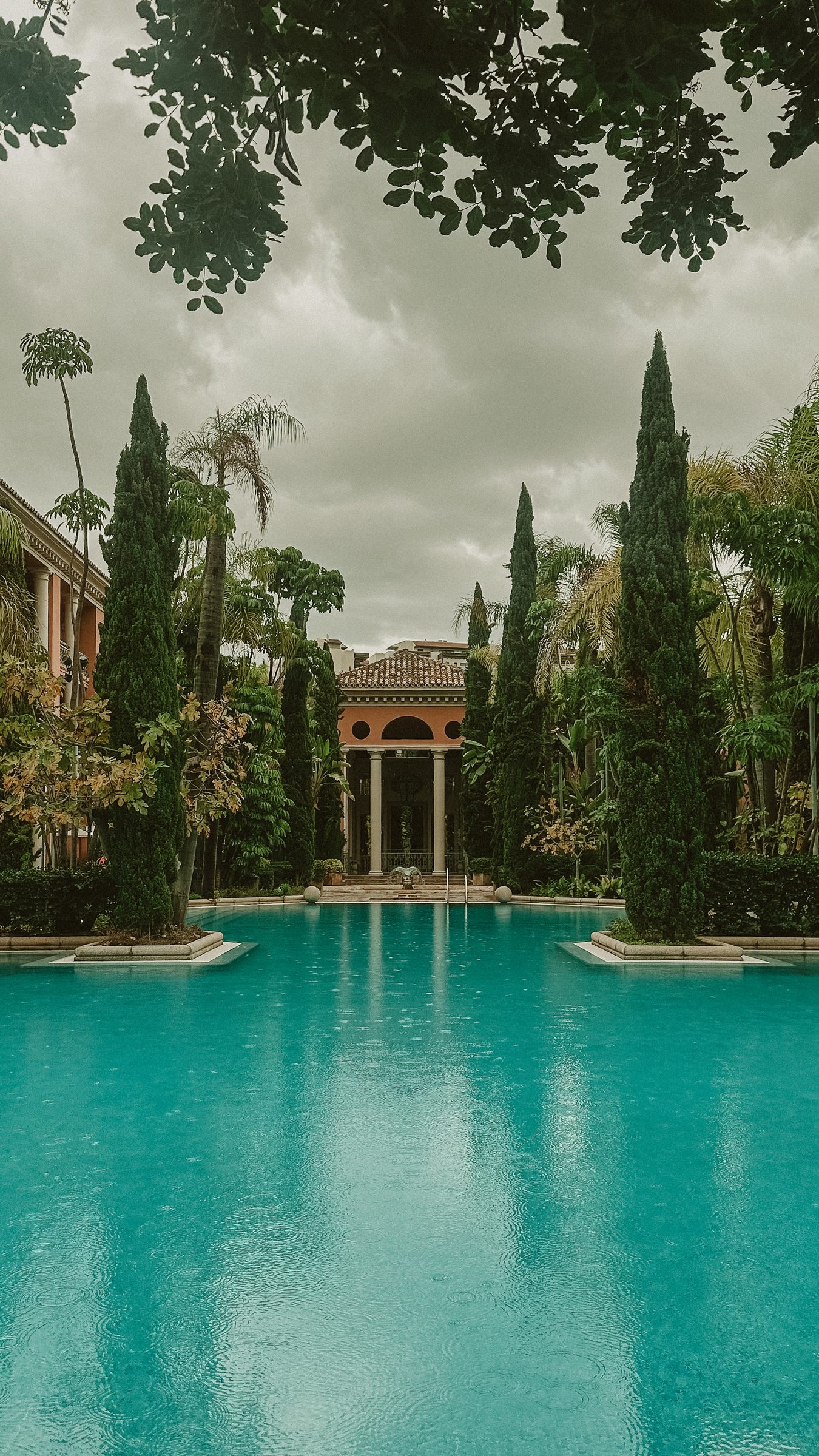
The main pool is a long rectangle of turquoise with a columned pavilion at one end, cypresses down both sides and statues watching. A Roman fantasy played completely straight, which is the only way it could work.
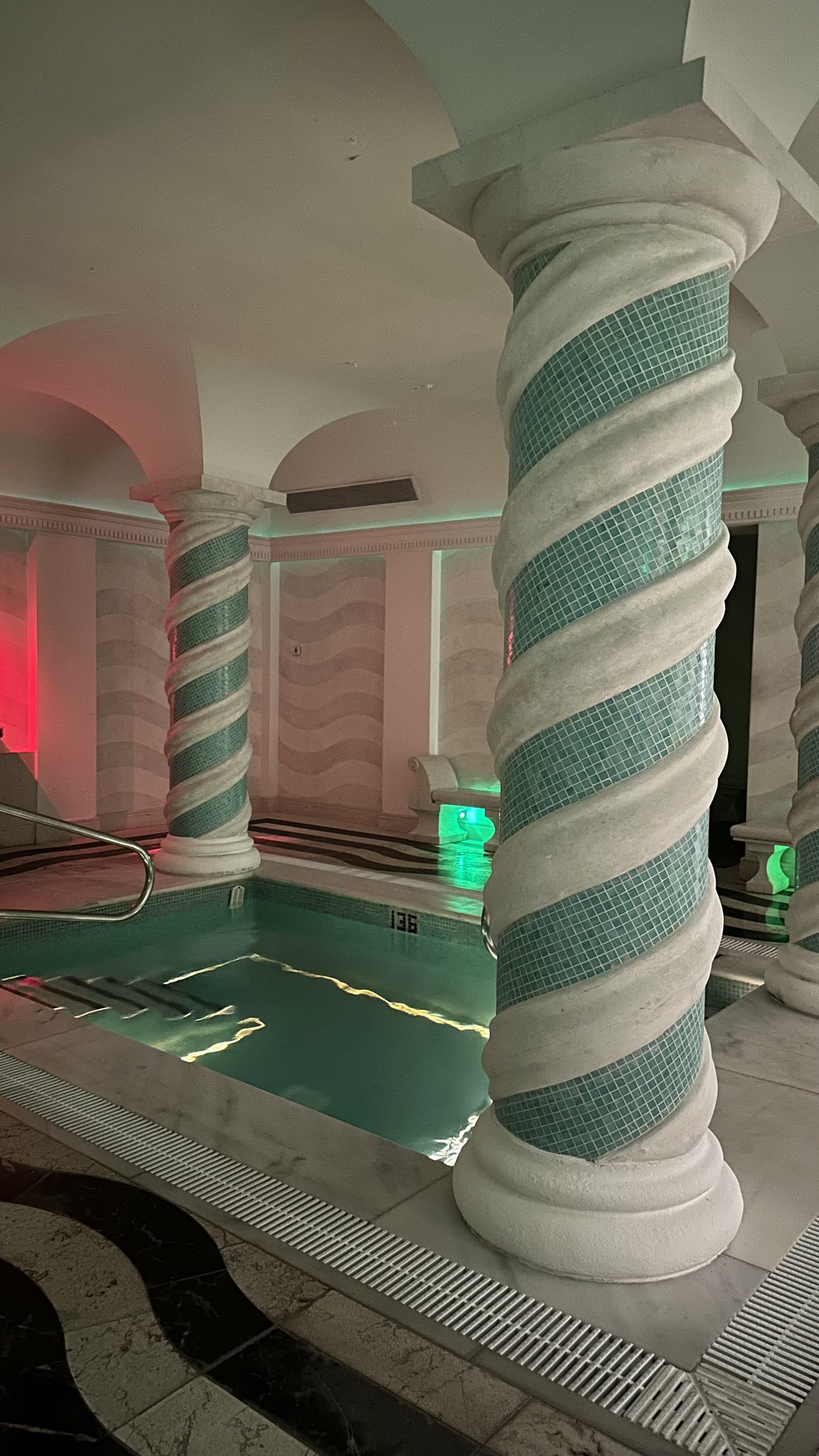
The spa runs to more than two thousand square metres and commits just as hard: mosaic columns, arches, a heated indoor pool with jets, a cold plunge, hammam and saunas, and a circuit you can happily lose two hours in. Treatments use Valmont and Elemis. It is adults only for most of the day, with children admitted between ten and twelve.
The rooms
There are 125 rooms and suites, 66 of them suites, which tells you the balance of the place. Ours was quiet and generous, decorated in the same register as the rest of the building: heavy fabrics, an upholstered headboard, framed prints, warm lamps instead of downlights.
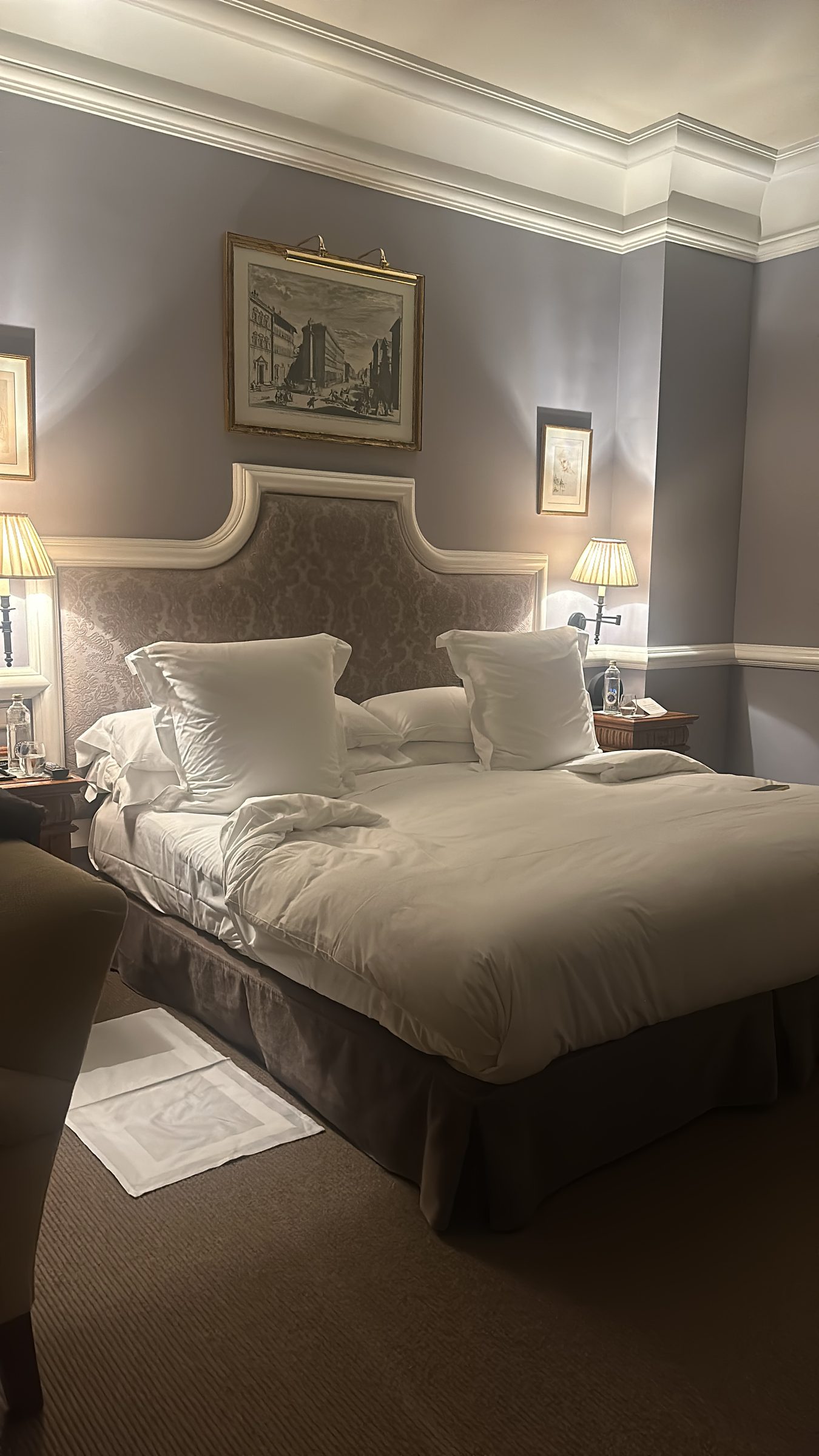
The turndown is properly done. You come back from dinner to lamps on, the bed open and a mat laid on the floor beside it. Small things, and small things are exactly what separate a hotel that is expensive from one that is looked after.
Breakfast
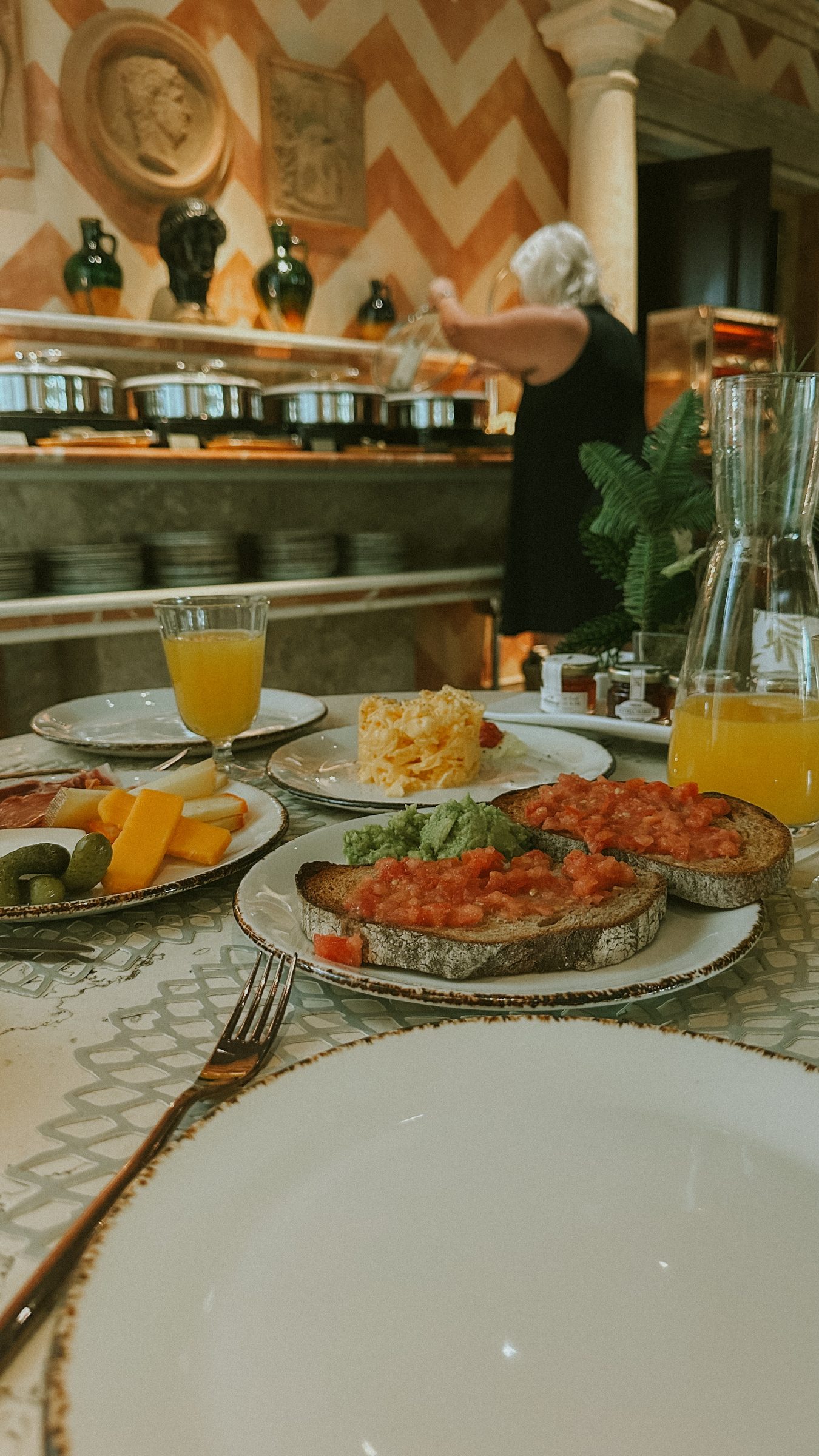
Served at La Loggia on a terrace above the lake, and it is the meal to get up for. A proper spread, tomato on toast done the Andalusian way, good fruit, eggs to order, and enough room between the tables that it never feels like a queue.
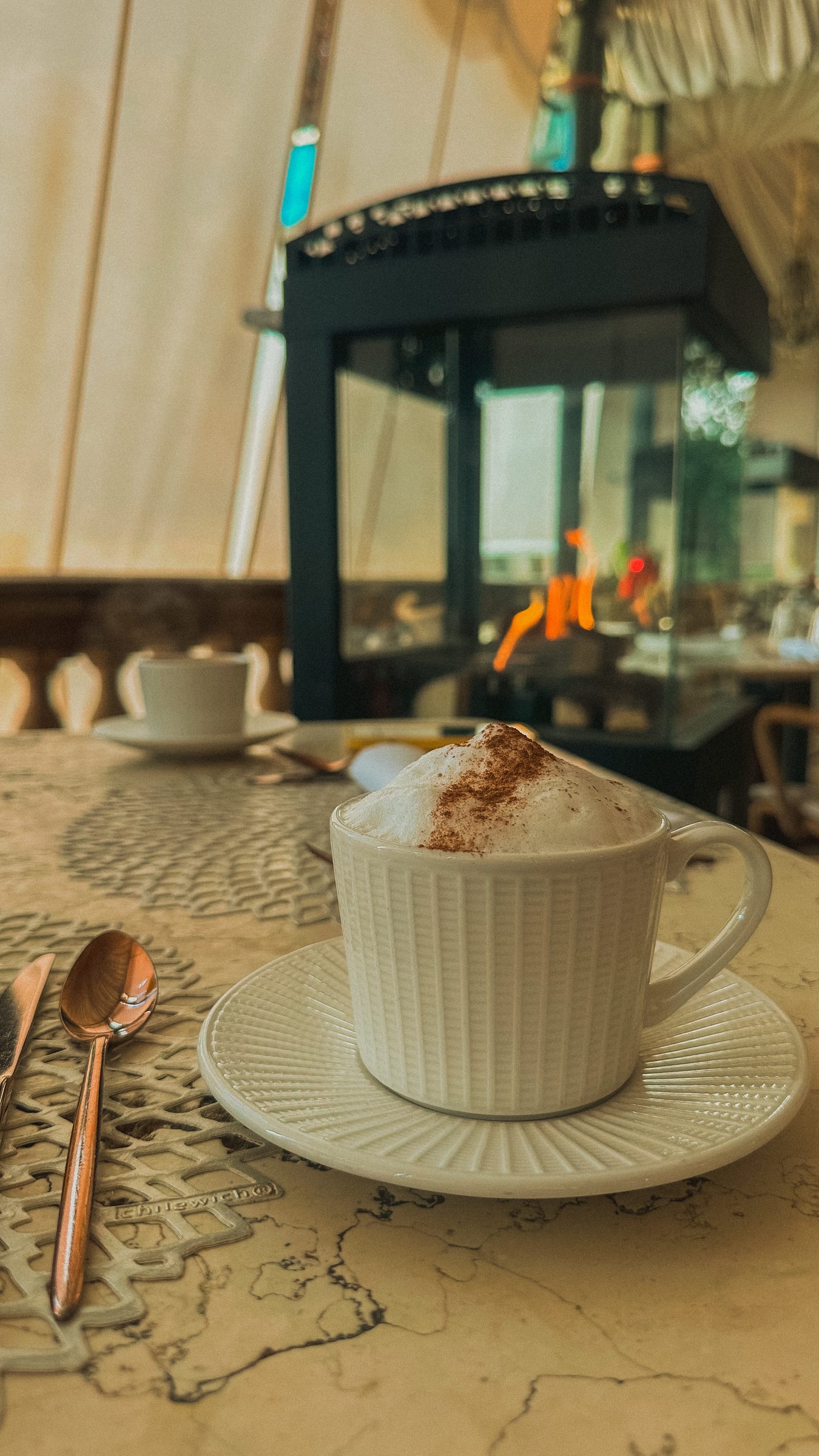
The other pleasure is the coffee that arrives mid afternoon on a terrace somewhere, which the staff will quietly turn into an occasion.
A palace of 2003
Worth knowing, because it is a lovely piece of sleight of hand: the palace was built in 2003. It looks four hundred years old and the illusion holds because what fills it is real. More than a thousand works of art, Greco-Roman marbles, Iberian pieces, portraits from the seventeenth century onwards, stone heraldry worn smooth by weather that happened somewhere else. The building is new. Much of what stands in it is not.
It is also kept beautifully, which matters more than it sounds. Twenty-odd years is long enough for somewhere this grand to start looking tired at the edges, and it simply has not. The stone is clean, the hedges sharp, every fountain running.
Two things to know before you book
It is not a beach hotel. It sits inland above Benahavis, about ten minutes up from the coast. There is a beach club with a shuttle down to it, though only in the months the club is open. Puerto Banus is fifteen minutes by car, Marbella twenty-odd. If you want to walk out of your room onto sand, this is not the one.
Come in season if food matters. There are plenty of restaurants on paper, and several are seasonal. In the quieter months the choice narrows and the beach club and poolside terrace are closed. Breakfast is excellent all year.
Rates run from around £250 a night in deep winter to £600 or so in August, breakfast usually included.
The verdict
We loved it. It is luxurious in a way that has gone slightly out of fashion, all marble and cypress and portraits of people nobody can name, and it is cared for with an attention the fashion moving on has not touched. The gardens alone would justify the trip, and the staff are why we would go back.
Heading to this coast? The Marbella beach clubs guide covers the days down at the sand, and the Costa del Sol against the Costa de la Luz is worth reading before you settle on this stretch at all.
Read next

The paradores of Andalucia, and how to pick the ones worth the detour
Spain runs ninety-odd hotels in castles, monasteries and Renaissance palaces, at an average of about £112 a night. Five in Andalucia worth going out of your way for, including a UNESCO palace at €104 and a convent inside the Alhambra walls.
The best beach clubs in Marbella, and which day each one is for
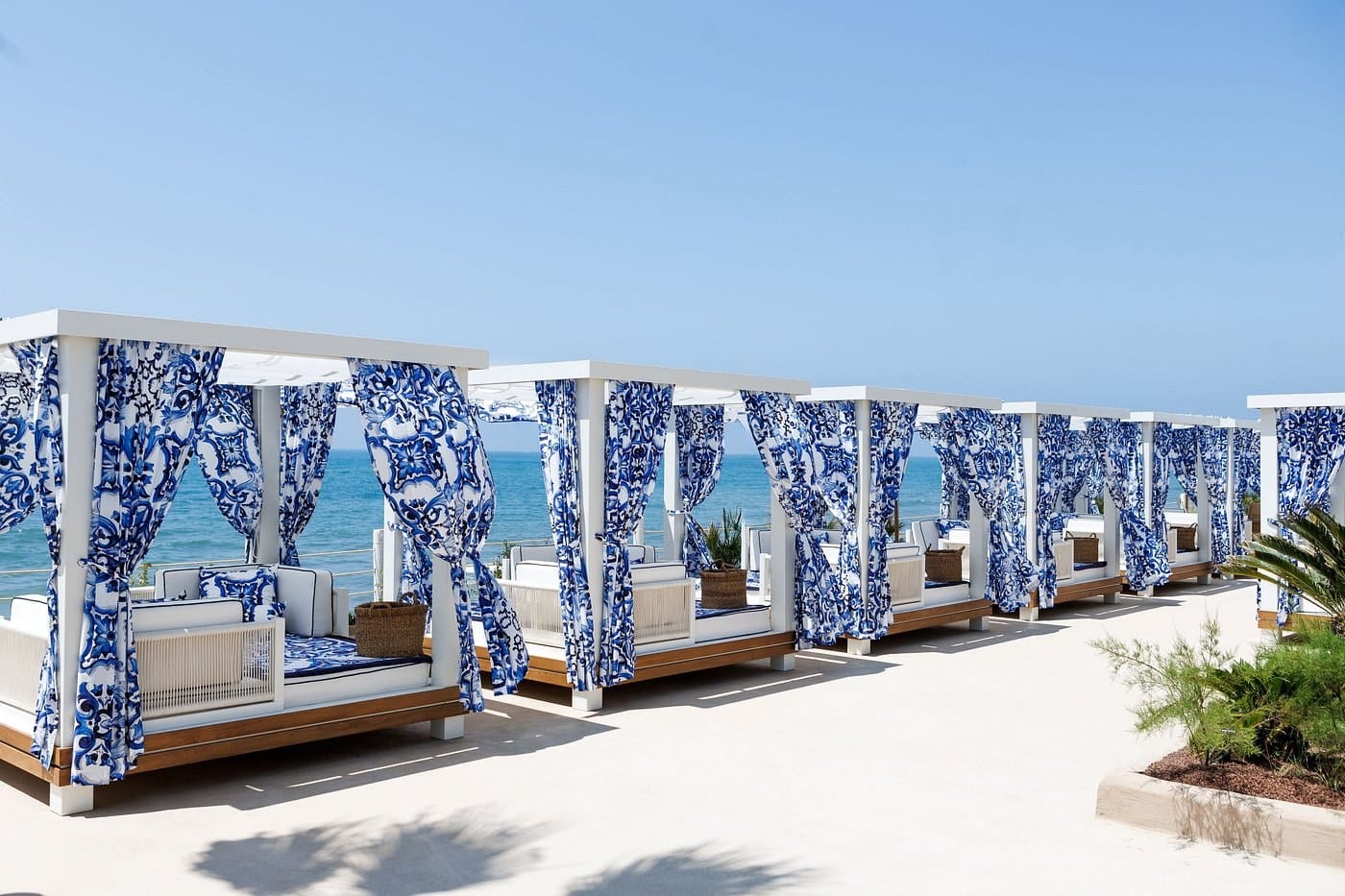
Five clubs on the same stretch of coast doing entirely different things: La Cabane, Nikki Beach, Puente Romano, Bono Beach, and La Plage Casanis, which Off-White has taken over for the season.

Where to eat well in Malaga, and the one to book first
Six restaurants worth planning an evening around: Kaleja, La Cosmo, Jose Carlos Garcia, Palodu, Mi Nina Lola and Dynamit. Two of them are the same chef in different registers, one is a glass box in the middle of the port, and one is Norwegian.