Where to eat well in Malaga, and the one to book first
Six restaurants worth planning an evening around: Kaleja, La Cosmo, Jose Carlos Garcia, Palodu, Mi Nina Lola and Dynamit. Two of them are the same chef in different registers, one is a glass box in the middle of the port, and one is Norwegian.

Malaga, which stopped being a city people only flew through at some point in the last ten years.Photograph Adrianna CA on Pexels · pexels.com
For most of the last century Malaga ate espeto, fried fish and sweet wine, and did it very well, and nobody flew in for dinner. That has changed fast enough that the city has not entirely caught up with itself. The province now holds a dozen Michelin stars across ten restaurants, and a good number of them are nowhere near the beach.
What follows is six places in the city, chosen because we would go back to them rather than because of what they hold. Two of them are the same chef doing two entirely different jobs, one of them has twenty four seats and a star three months old, and one of them is Norwegian, which tells you more about what has happened to Malaga in the last five years than the stars do.
The short answer
- The special dinner: Kaleja.
- The best meal for the money: La Cosmo.
- The one on the water: Jose Carlos Garcia.
- The new star, and twenty four seats: Palodu.
- The view: Mi Nina Lola.
- Under forty euros, and still a proper dinner: Dynamit.
Kaleja
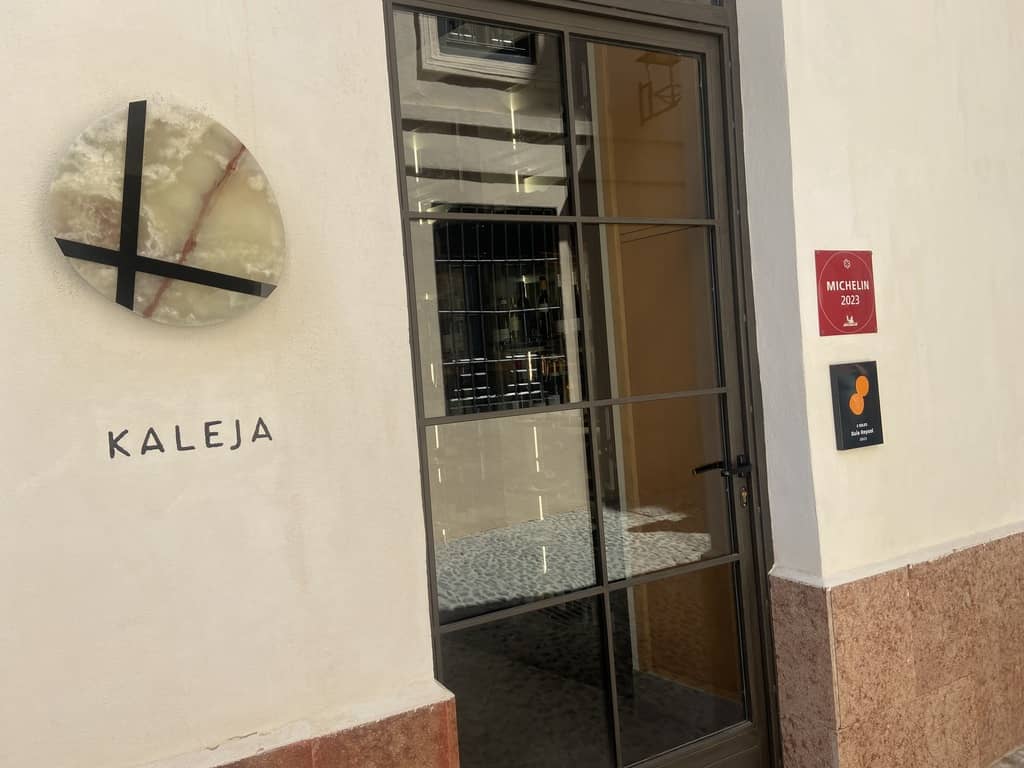
Dani Carnero opened Kaleja in 2019 and took a star in 2022, and it remains the serious meal in the city centre. The cooking is Malagueno at the root, worked over with technique and a lot of fire and slow cooking, and it does not feel like a restaurant performing sophistication at a coastal town. It feels like a cook who knows exactly where he is.
It is on Calle Marquesa de Moya, a few minutes from the cathedral in what was the old Jewish quarter, and the name is the joke: kaleja is Sephardic for the kind of narrow lane it sits on. It is not a large room. Book properly ahead, take the tasting menu rather than trying to outsmart it, and give it three hours.
La Cosmo

The same chef, downstairs in every sense, and the best value on this list by a distance. La Cosmo applies the technique from the starred kitchen to the format of a neighbourhood bar: open kitchen, no tablecloths, a proper amount of noise, and seats at the counter where you can watch it happen. It carries a Bib Gourmand rather than a star, which is Michelin's way of saying the same thing.
Gildas, oysters, a leek dish that people come back for, and an oxtail burger on brioche that has no business being as good as it is. Sit at the bar if you can. If you are only eating one meal in Malaga and you would rather not spend two hundred euros on it, eat it here.
Worth knowing: La Cosmopolita, the original, closed in October 2025 after many years. If you have an old guidebook, or you are following a list somebody wrote in 2023, that is the one that has gone. La Cosmo is the one that is open.
Jose Carlos Garcia

The best known of the lot, and the one most visitors mean when they ask where the Michelin restaurant is. Jose Carlos Garcia is Malagueno, has held a star for years and holds one again in the 2026 guide, and cooks out of a glass pavilion in the middle of the port at Muelle Uno, surrounded by yachts and water on three sides.
There is no a la carte. Two tasting menus, one longer than the other, changing constantly, built on Mediterranean produce and finished with more imagination than the setting prepares you for: suckling pig with pineapple and pumpkin, red mullet with curry gnocchi. The room is contemporary and slightly informal, with vertical gardens and a chill-out area, which is either a relief or a disappointment depending on what you think a starred restaurant should look like.
The setting is the thing that divides people. Muelle Uno is a modern marina development with a shopping parade attached, and if you want a starred dinner in an old stone room this is not it. What it is instead is the most polished evening in the city, on the water, at sunset, and there is nothing at all wrong with wanting that. If you are choosing between this and Kaleja, you are choosing between a view and a room.
Palodu
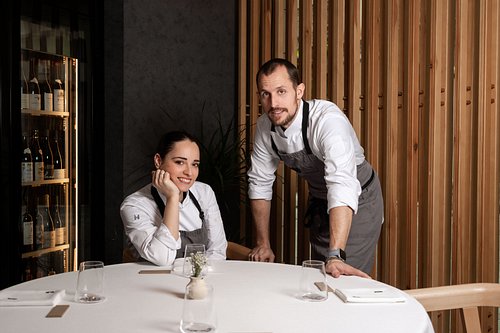
The first star at the 2026 gala, and the route to it is the interesting part. Cristina Canovas and Diego Aguilar ran Palodu for more than a decade as a small gastrobar out in Teatinos, then moved it into the centre in 2023, onto Calle Sebastian Souviron beside the Atarazanas market. Three years later, the star.
They cook together and call it cocina dual: both of them on every dish rather than one chef and a brigade, which is rare enough at this level to be worth watching from the room. The CVs behind it run through Tickets, Mugaritz and El Lago, and the cooking is built on Malaga produce, technical without being cold, and better value than the equivalent menu in Seville or Madrid.
Twenty four covers. That is the entire restaurant, and it is the number that matters when you try to book it: two menus, one room, and a star that is about to make it considerably harder. Book further ahead than feels necessary.
Mi Nina Lola
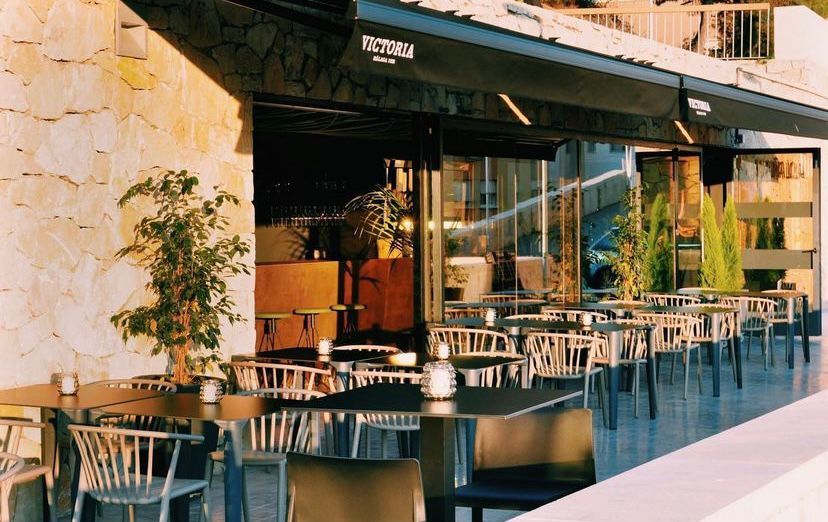
On the slopes below Gibralfaro, on the hillside that was once the Coracha district, with a terrace that has one of the two or three best views in the city: the roofs, the cathedral, the port and the sea behind it. Pablo Rutllant cooks small plates that look outward while staying local, and the menu does things like a black corn empanada with squid, leeks with Payoyo cheese, and mango with yuzu.
Be honest with yourself about what you are booking. The food is genuinely good and the view is the reason you are there, and there is nothing wrong with that as long as you ask for a terrace table when you reserve rather than hoping. Sunset, obviously. The Gibralfaro walk is directly above it if you want to earn the dinner.
Dynamit
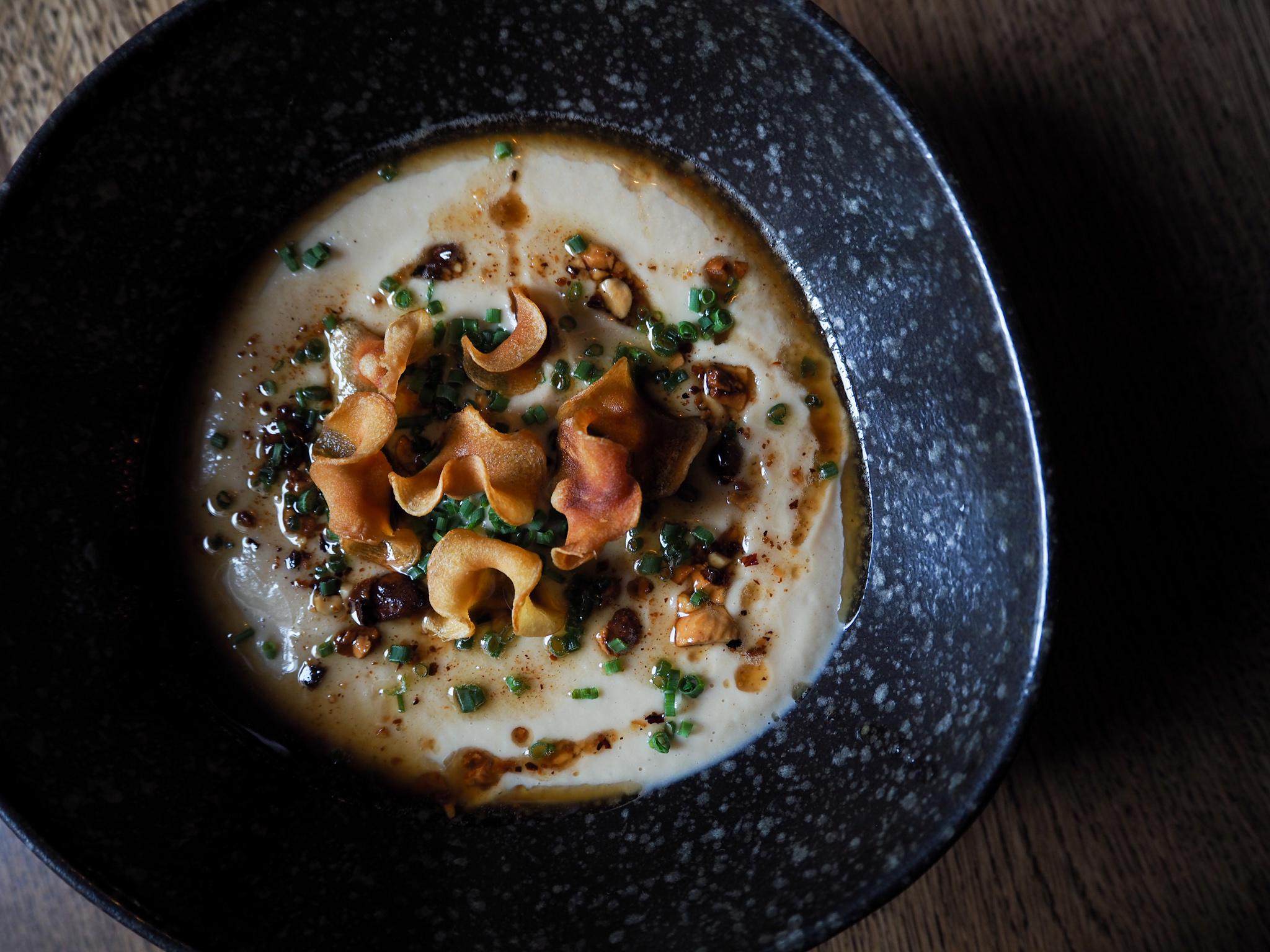
A small Norwegian bistro on Calle Dos Aceras, in the northern corner of the old centre, and the most interesting thing on this list for reasons beyond the food. It moved here from Calle Merced, so older listings will send you to the wrong door. Malaga has acquired a large northern European population in five years, and Dynamit exists because of it: European cooking with Nordic hands, so risotto and halibut and venison rather than anything you would call Andalucian.
Around thirty to thirty five euros a head for a real dinner, which in a city where the starred menus run past a hundred and fifty makes it the value pick on this page. It is open evenings only, Tuesday to Saturday, it is small, and it fills, so book. There is a bar at the front worth arriving early for.
And what Malaga actually eats
None of the above is what the city eats on a Tuesday, and a trip that only does the list above has missed the better half of it.
Espeto is the one to plan around. Sardines threaded onto a bamboo cane and grilled over embers in an old fishing boat filled with sand, on the beach, done at the chiringuitos along Pedregalejo and El Palo. The local rule is to eat them in the months without an R in them, which is to say June, July and August, when the fish are fat. Six sardines, bread, a cold beer, sand underfoot, about ten euros. It is the best meal in Malaga and it is not in any guide's top five.
Boquerones are anchovies, fried in a fan or cured in vinegar, and Malaguenos are nicknamed after them, which tells you how seriously to take it. Ajoblanco is the cold white soup of almonds, garlic and bread that predates gazpacho and is better than it in August. And Malaga wine is sweet, made from moscatel and Pedro Ximenez, served in small glasses from barrels in bars that have not been redecorated in a century. Antigua Casa de Guardia, open since 1840, still chalks your bill on the wooden counter in front of you.
Do the starred dinner, by all means. Then have the sardines.
Booking, and what it costs
Book everything. All five are small, and Malaga now gets enough weekend visitors that walking in on a Friday is optimistic. A fortnight ahead is comfortable for four of them, and Kaleja wants longer.
Rough numbers a head, before wine: Dynamit thirty to thirty five, La Cosmo forty to sixty depending on how many plates you order, Mi Nina Lola sixty upwards, Palodu around a hundred for the tasting menu, Kaleja more than that. Spain eats late and Malaga eats later. A nine o'clock booking is normal and an eight o'clock one will put you in an empty room.
Dynamit is the one outside the tourist centre, up in Lagunillas, and it is better for it. The month by month guide covers when the city itself is worth building the trip around, and December, with the lights on Calle Larios, is the answer more often than people expect.
Read next

The paradores of Andalucia, and how to pick the ones worth the detour
Spain runs ninety-odd hotels in castles, monasteries and Renaissance palaces, at an average of about £112 a night. Five in Andalucia worth going out of your way for, including a UNESCO palace at €104 and a convent inside the Alhambra walls.
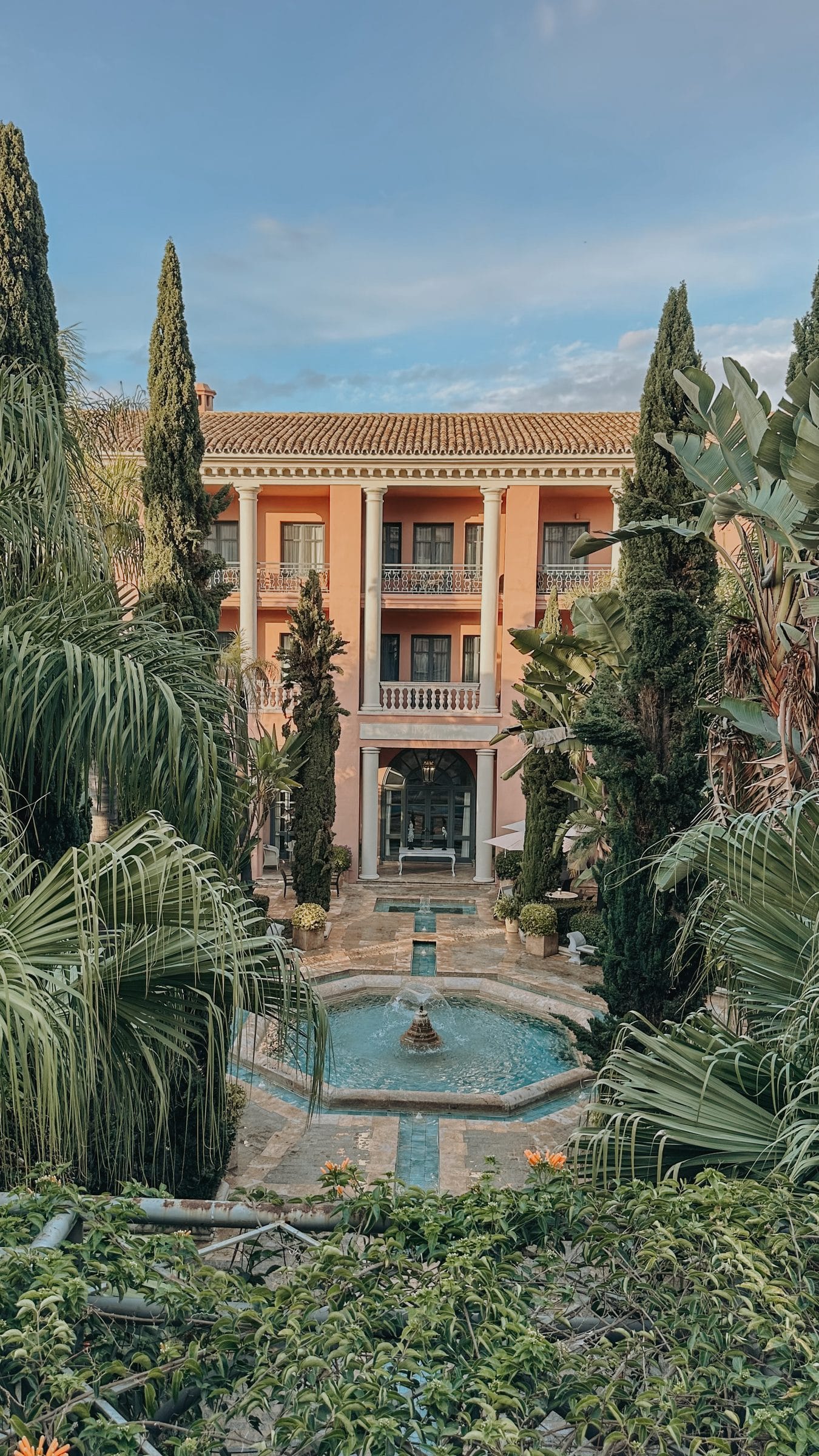
Anantara Villa Padierna: a Tuscan palace above Marbella, and the finest gardens on this coast
An Italianate palace ten minutes inland from Marbella, with formal gardens worth the trip on their own, a Roman pool, and staff who are the reason you would go back.
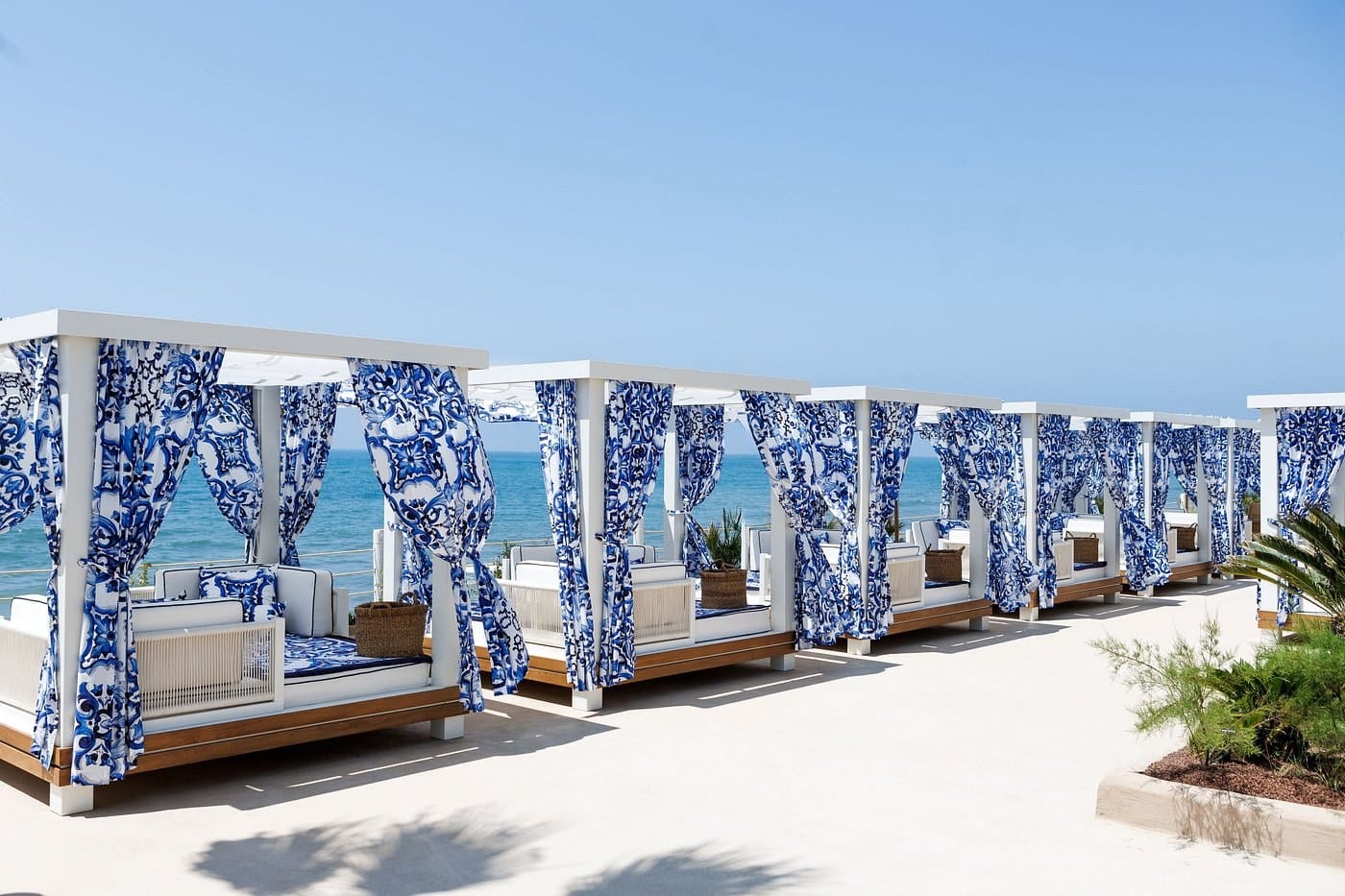
The best beach clubs in Marbella, and which day each one is for
Five clubs on the same stretch of coast doing entirely different things: La Cabane, Nikki Beach, Puente Romano, Bono Beach, and La Plage Casanis, which Off-White has taken over for the season.